security
Is the Calm Holding
By Bashir Assad
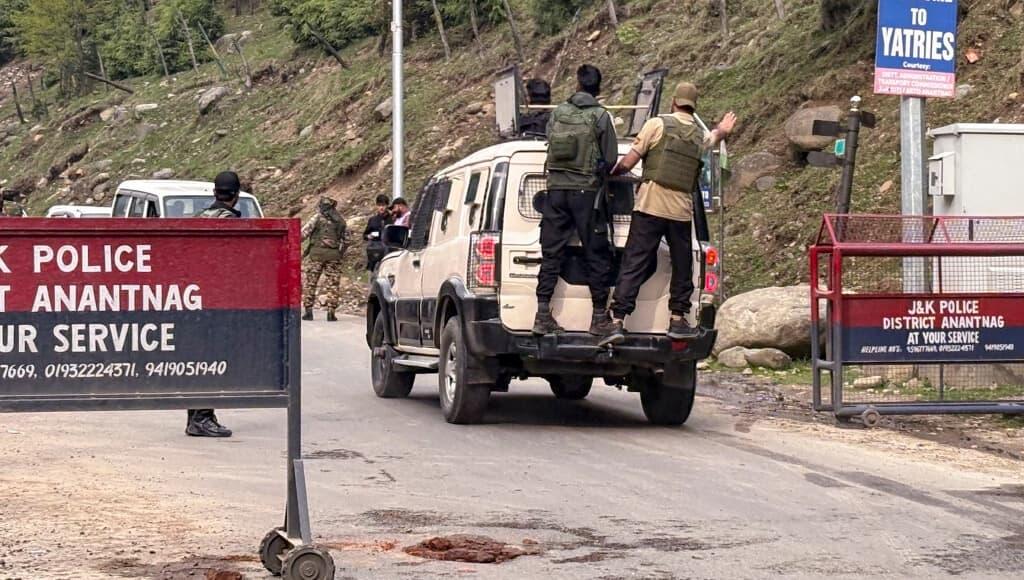
Kashmir after Anantnag and Kulgam For much of the period following the Pahalgam attack, the most striking feature of Kashmir's security landscape was the relative absence of major attacks. That did not mean the threat had gone away. The Valley remained heavily guarded, intelligence operations continued and security agencies maintained a close watch over areas that had, at different points, been active theatres of militancy.
EDITOR'S NOTE
The Price of Selling Paradise
From September 2026 Edition
Tue Sep 08 2026
There is a peculiar danger in becoming successful at selling what was once taken for granted.
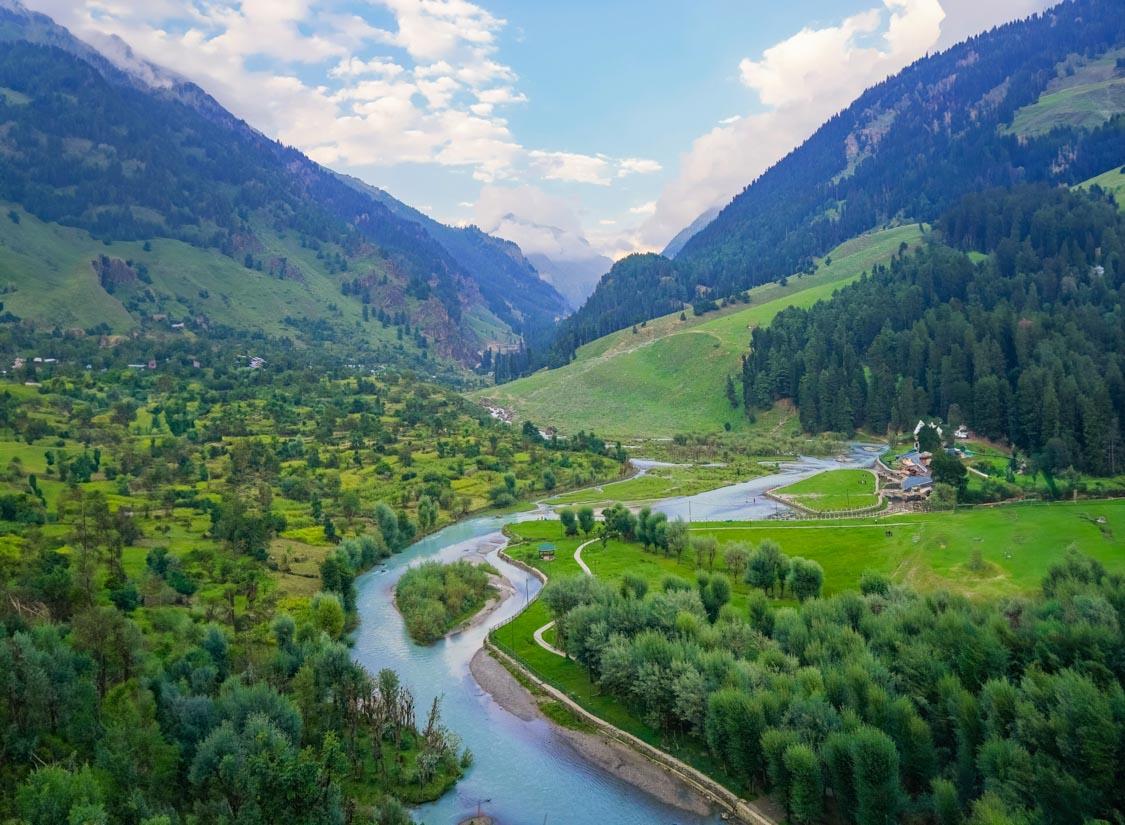
Kashmir's tourism economy is expanding, and that expansion is welcome. More visitors mean more business for hotels, transporters, guides, restaurants, artisans and thousands of families whose livelihoods depend directly or indirectly on tourism. Yet somewhere between accommodating more visitors and building more facilities for them, Kashmir risks losing sight of what those visitors actually come to experience.
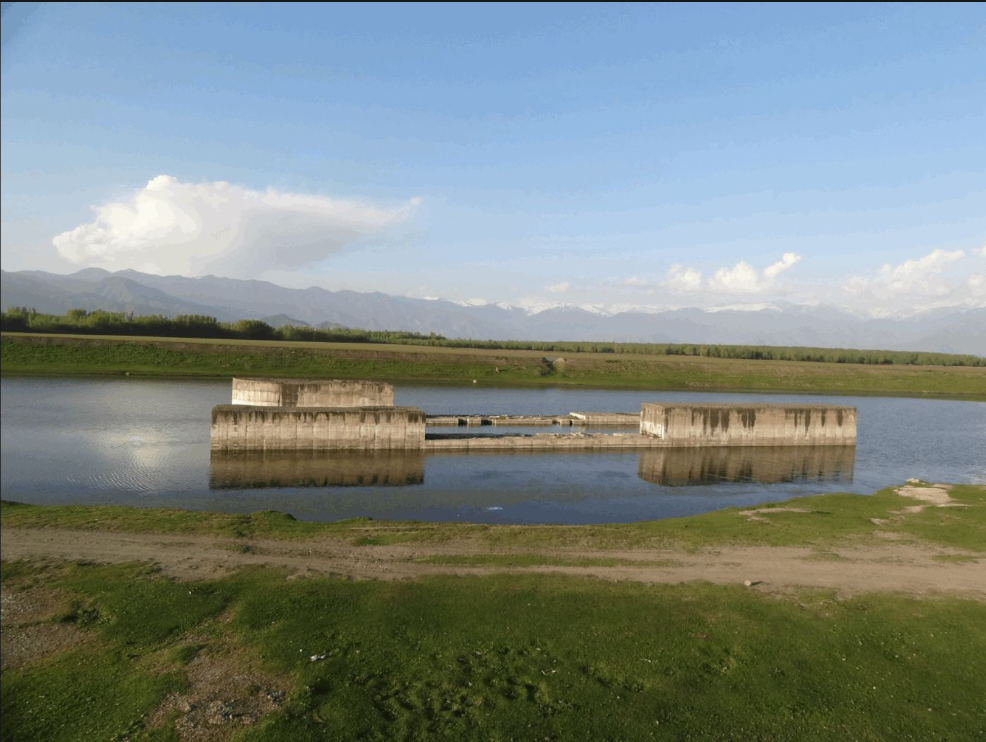
A mountain is not a hotel room with a mountain behind it. A meadow is not an empty plot awaiting construction. A lake is not waterfront real estate. A forest road is not an invitation to build along its edges.
Yet in some of Kashmir's most popular destinations, concrete is becoming the default language of development. Buildings are rising along roads and slopes, natural drainage is being altered, traffic is increasing and the boundaries between a settlement and a tourist destination are steadily disappearing.
The irony is difficult to miss: we are building Kashmir in order to attract people to the Kashmir that the building itself is gradually erasing.
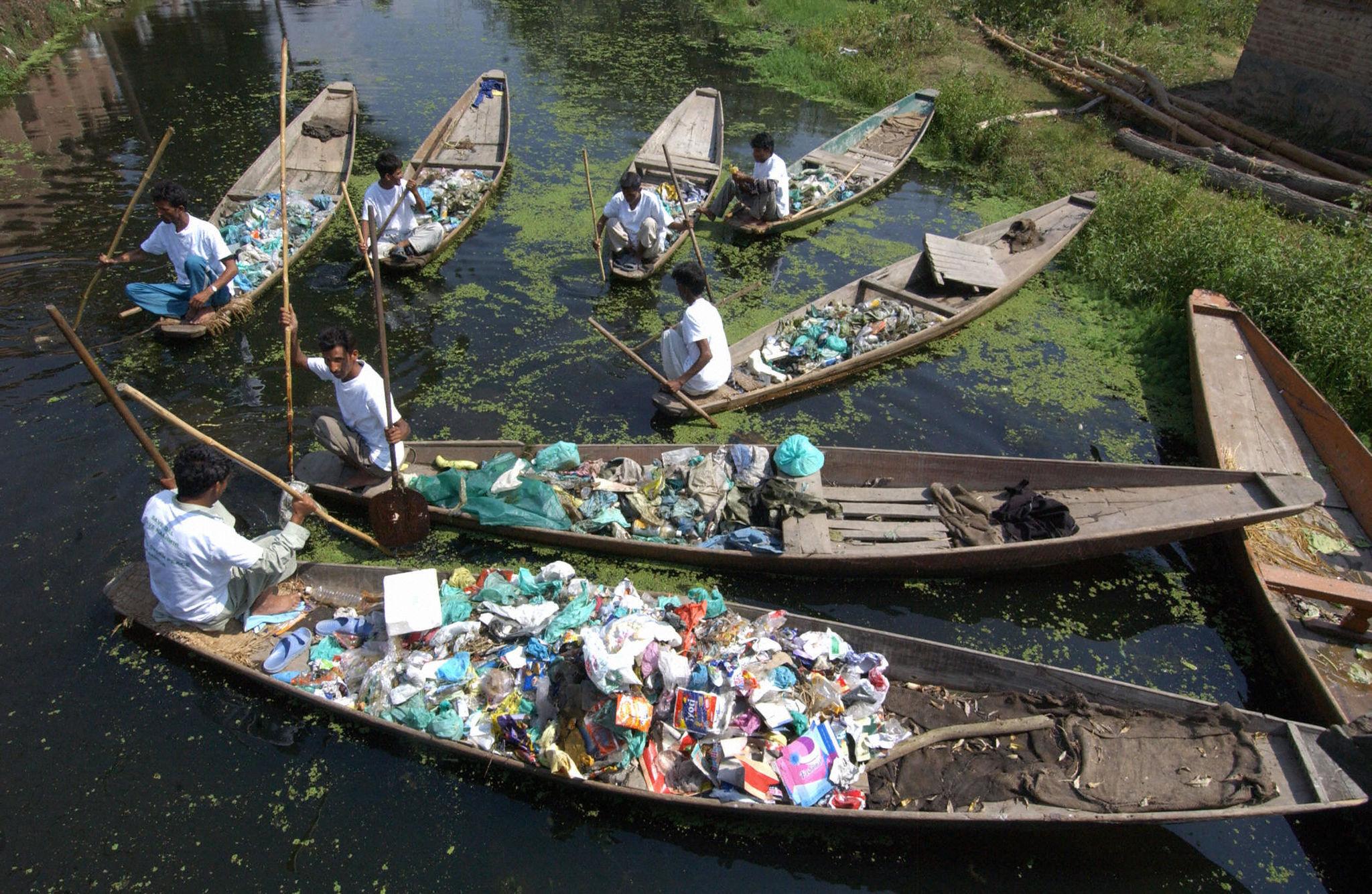
Tourism statistics usually measure arrivals, occupancy, revenue and investment. They rarely calculate the other balance sheet—the pressure placed on water, forests, waste systems, roads, rivers and fragile mountain slopes by every additional visitor and every additional structure.
A destination can become commercially successful while becoming ecologically poorer.
The issue is not whether Kashmir should develop. It must. Better hotels, roads, sanitation and visitor facilities are necessary for a modern tourism economy. The question is whether development is being planned according to the capacity of the landscape or whether the landscape is simply being asked to absorb whatever development demands of it.
That distinction will determine whether today's tourism boom becomes a durable industry or an accelerated consumption of Kashmir's natural capital.
The economic argument for conservation is equally compelling. Kashmir's greatest tourism asset cannot be manufactured or imported. A forest destroyed today may take decades to recover. A polluted lake cannot be restored by adding hotel rooms. A destabilized mountain slope does not distinguish between public infrastructure and private construction. Natural beauty is therefore not merely scenery.
And unlike financial capital, it loses value through misuse. Kashmir may eventually have to choose between more tourism and better tourism. The two are not necessarily synonymous. A destination overwhelmed by construction, congestion, waste and water stress may generate impressive numbers today while steadily reducing its appeal tomorrow. The answer is not to shut Kashmir's doors. It is to decide, before the landscape decides for us, where development belongs and where it does not. The measure of successful tourism will not be how many visitors Kashmir accommodates in one season. It will be whether the same mountains, lakes and meadows can welcome visitors twenty years from now without us having to explain what we built in their place. The mountains will remain. The question is what we leave standing around them.
Latest Articles
culture
Economics of Jobless Growth in India
By Dr Mehraj Ud din Shah
Tue Sep 08 2026
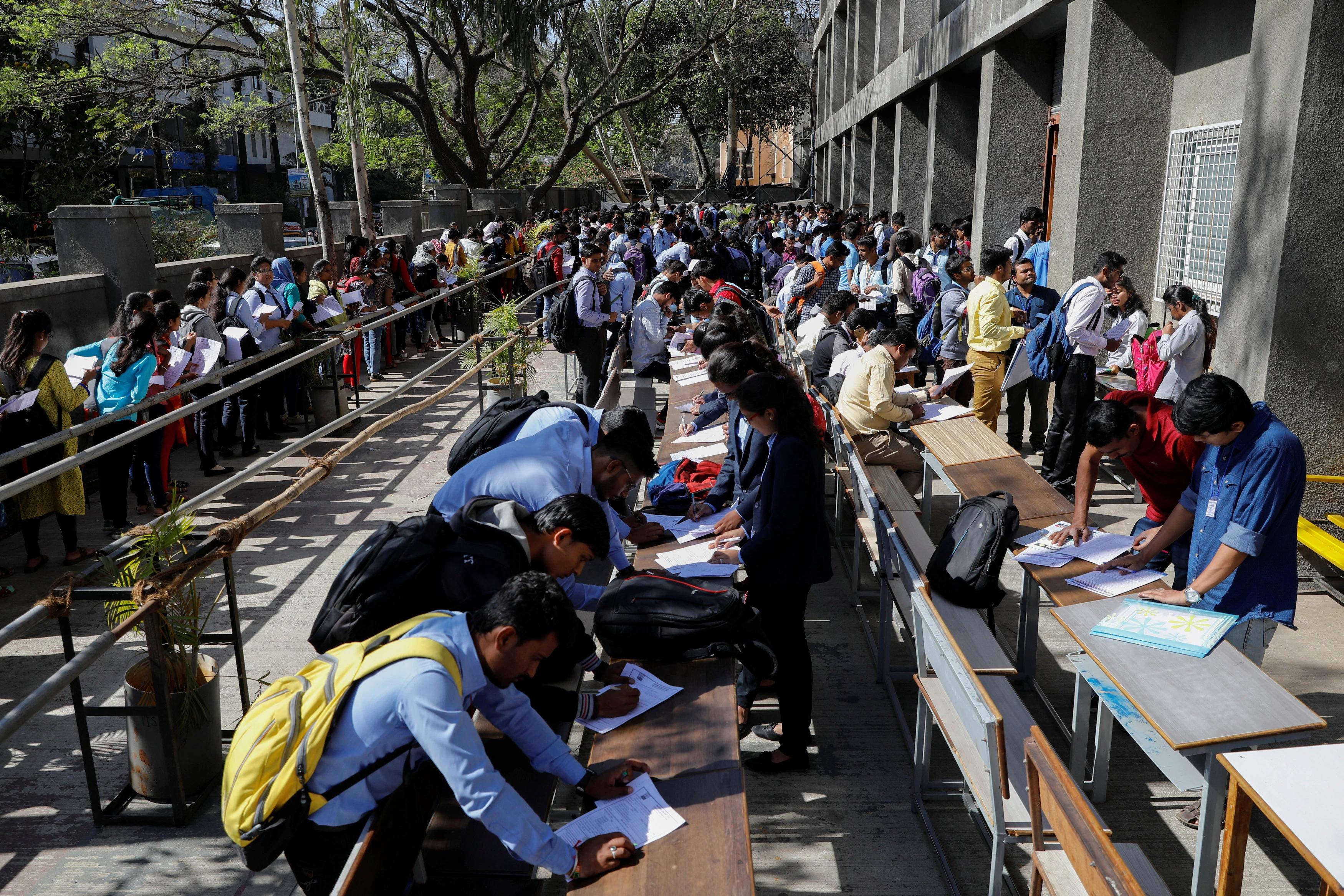
India's economic growth has been impressive, but growth alone is insufficient if it fails to create productive employment.
politics
The Protest That Won’t Go Away
By Rafi Ahmad Mir
Tue Sep 08 2026
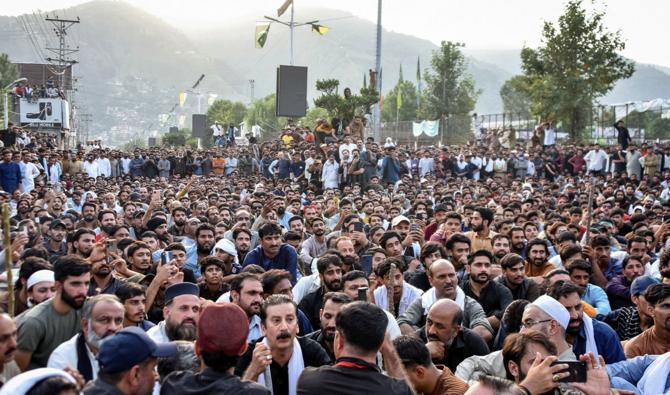
Pakistan-administered Kashmir and the limits of political management
Magazine Issues
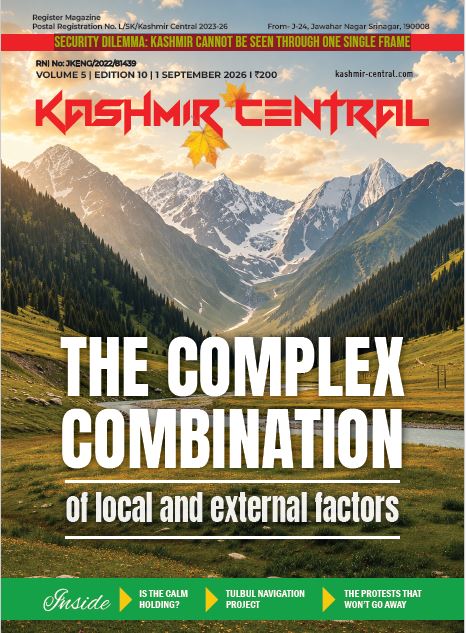
September 2026 Edition
Read Issue (PDF)Archive
Previous Editions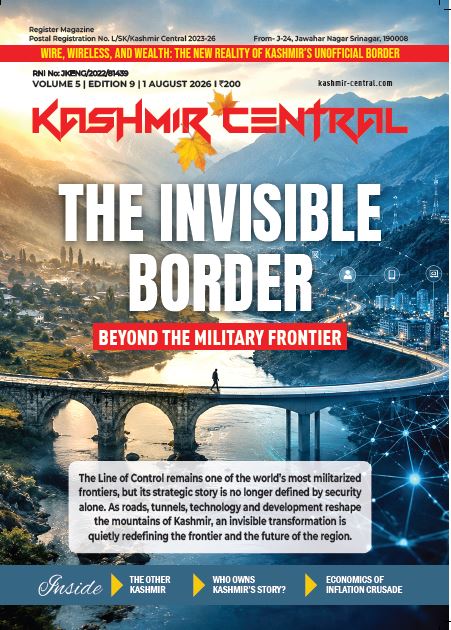
August 2026 Edition
PDF Edition
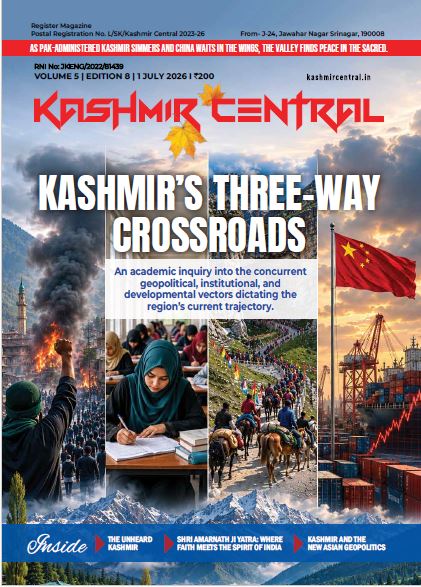
July 2026 Edition
PDF Edition
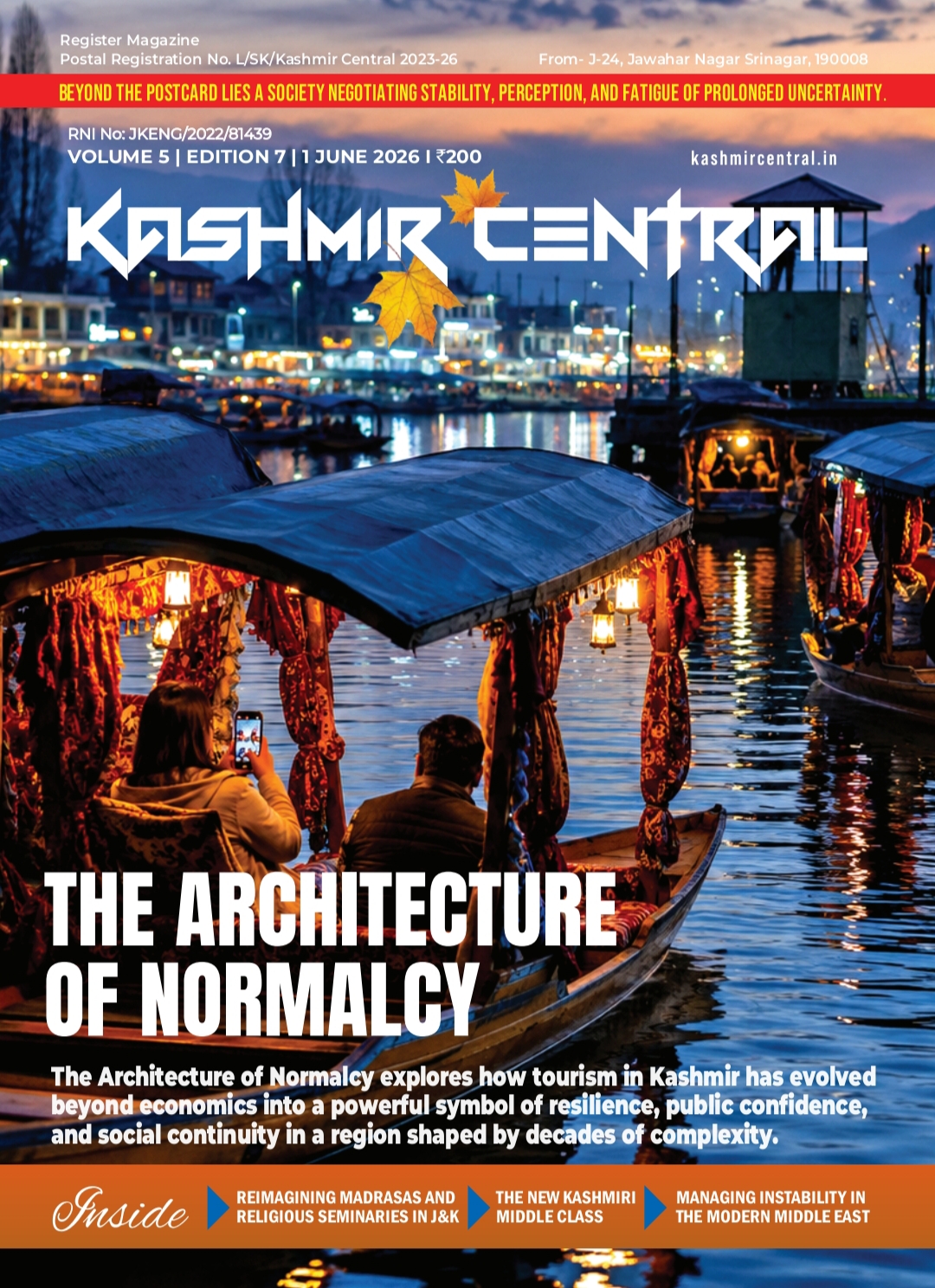
June 2026 Edition
PDF Edition
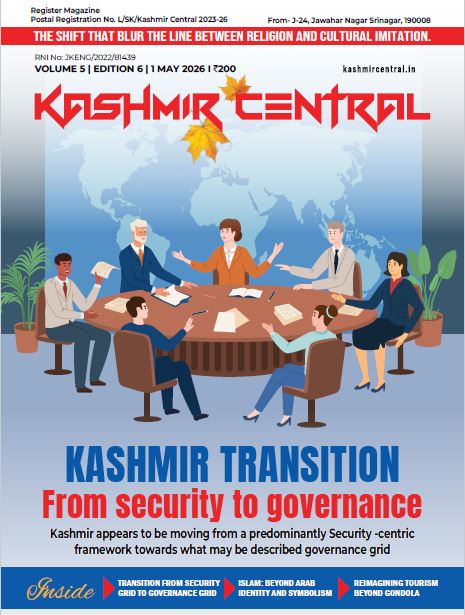
May 2026 Edition
PDF Edition
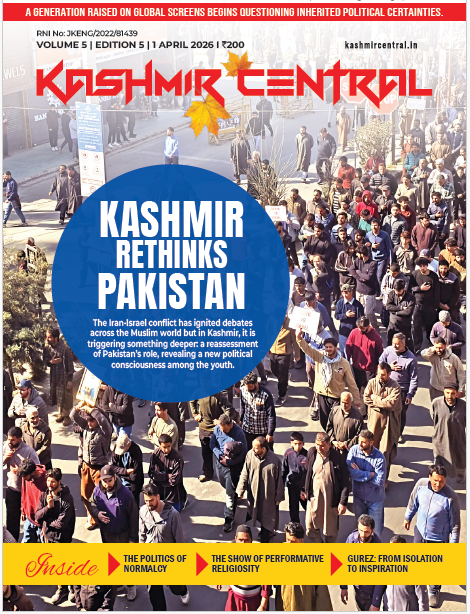
April 2026 Edition
PDF Edition