society
The Decade of Connectivity How Roads, Railways and Digital Networks Are Reshaping Kashmir
By Yawar Yousef/Yasir Lone | Sat Jul 04 2026
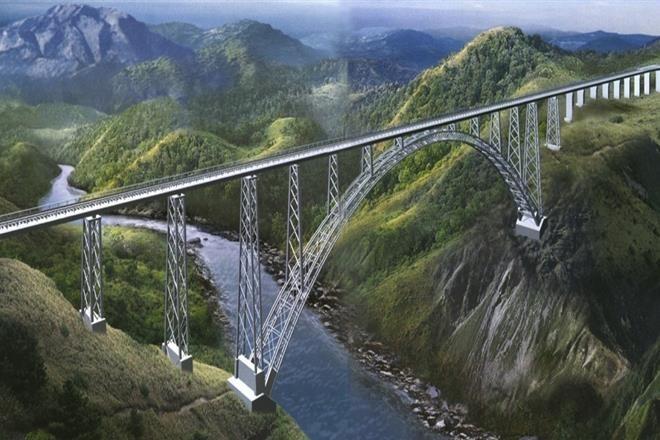
For much of its modern history, Kashmir has been discussed through the language of conflict, diplomacy, security, and constitutional politics. Governments changed, policies evolved, and public debates shifted, yet the dominant narratives surrounding the region remained remarkably consistent. Kashmir was viewed primarily as a political question, a strategic frontier, or a security challenge.
Beneath these larger narratives, another transformation has been unfolding. It is a story not of political slogans but of roads, tunnels, railways, bridges, and digital networks. It is a story about mobility, accessibility, and integration. It is a story about how geography itself is being reshaped.
The significance of these developments extends far beyond engineering achievement. Infrastructure changes the way people live. It changes how goods move, how businesses operate, how students access education, how tourists travel, and how regions connect with larger markets. In many ways, infrastructure determines the practical possibilities available to society.
Over the last decade, Jammu and Kashmir has witnessed one of the most ambitious periods of infrastructure development in its contemporary history. Major highways have been expanded, tunnels have pierced mountain barriers, railway networks have extended across some of the world's most challenging terrain, and digital connectivity has reached communities that once remained isolated from broader economic and social networks.
The significance of these developments extends far beyond engineering achievement. Infrastructure changes the way people live. It changes how goods move, how businesses operate, how students access education, how tourists travel, and how regions connect with larger markets. In many ways, infrastructure determines the practical possibilities available to society.
Viewed through this lens, the last decade may ultimately be remembered as a period in which Kashmir underwent a profound transition from relative geographic isolation toward unprecedented connectivity.
Reimagining Geography
Kashmir's geography has always been both a blessing and a constraint. The mountains that give the region its extraordinary beauty have historically imposed significant costs on movement and communication. Harsh winters, difficult terrain, and weather related disruptions frequently affected transportation and economic activity. For generations, accessibility remained one of the central challenges confronting development.
The transformation of this reality is perhaps most visible in the succession of tunnel projects that have altered the region's transport landscape.
The opening of the Dr. Syama Prasad Mookerjee Tunnel, formerly known as the Chenani Nashri Tunnel, in 2017 marked a major turning point. Stretching over nine kilometres, it reduced travel distance on the Jammu Srinagar National Highway and significantly improved reliability on one of the most critical routes linking the Valley with the rest of India.
The Banihal Qazigund Tunnel further strengthened this transformation. Together with the historic Jawahar Tunnel, these projects have gradually reduced the vulnerability of the highway to weather related disruptions and have improved year round movement of people and goods.
The next phase of this connectivity revolution is unfolding even further north. The Z Morh Tunnel has substantially improved winter access to Sonamarg, one of Kashmir's most important tourist destinations. More consequential still is the Zojila Tunnel, currently under construction beneath the Zojila Pass. Once completed, the tunnel will provide all weather connectivity between Kashmir and Ladakh, overcoming a mountain route that historically remained closed for several months every year because of heavy snowfall and avalanches.
The strategic and economic implications of the Zojila Tunnel extend beyond transportation. It will connect communities more reliably, improve logistics, facilitate tourism, strengthen commercial linkages, and reduce the sense of remoteness that has long characterized parts of the Himalayan frontier.
When viewed collectively, these projects represent something larger than engineering success. They signify an effort to reduce the historical constraints imposed by geography itself. The mountains remain, but many of the barriers they once imposed are steadily receding.
The transformation is equally visible across Kashmir's expanding road network. Improved rural roads have linked villages to markets, schools, hospitals, and administrative centres. Districts that once appeared distant from economic activity are increasingly integrated into broader commercial systems. Farmers gain quicker access to markets. Small businesses can reach larger customer bases. Tourism operators can expand into previously inaccessible destinations.
Economic geography changes when mobility improves. Areas that once appeared peripheral become connected. Distances that discouraged investment become manageable. Opportunities emerge where isolation once imposed limitations.
Perhaps no project better symbolizes this transformation than the arrival of rail connectivity. For decades, the idea of connecting Kashmir to the national railway network represented one of independent India's most ambitious engineering visions. Today, that vision is increasingly becoming reality.
Railways are not merely transport systems. They are instruments of integration. They reduce costs, increase mobility, encourage commerce, and reshape perceptions of distance. The railway network promises to strengthen Kashmir's links with wider markets while making travel more affordable and accessible for ordinary citizens. Its long term significance may ultimately prove comparable to that of the highway system itself.
The Connected Future
Physical infrastructure tells only part of the story. The last decade has also witnessed a remarkable expansion of digital connectivity across Kashmir.
Smartphones, broadband services, digital payments, online education platforms, telemedicine, and e governance initiatives have transformed daily life in ways that would have seemed unimaginable only a generation ago. Digital networks have reduced some of the disadvantages traditionally associated with geographic remoteness. A student in Kupwara can access educational content from institutions located hundreds of kilometres away. An entrepreneur in Baramulla can market products nationally through digital platforms. Tourism operators can reach customers directly through social media and online booking systems.
For younger generations especially, digital integration has become as important as physical integration.
These developments are gradually reshaping the region's economic landscape. Connectivity alone cannot solve every challenge confronting Kashmir. Unemployment remains a significant concern. Private sector expansion continues to face structural obstacles. Many young people still struggle to translate educational achievement into economic opportunity.
Yet connectivity alters the environment within which these challenges are addressed. Regions attract investment more easily when transportation improves. Businesses expand when logistics become reliable. Tourism grows when destinations become accessible. Service sector opportunities increase when digital networks connect local talent with national and global markets.
Connectivity does not automatically create prosperity. But prosperity is difficult to achieve without connectivity.
Perhaps the most important aspect of this transformation is that it is experienced through everyday life rather than political rhetoric. A patient reaching a hospital more quickly, a farmer transporting produce to market, a student travelling for higher education, a tourist visiting a remote destination, or a business owner conducting online transactions rarely thinks in terms of grand strategy. They experience infrastructure as convenience, opportunity, and possibility.
This is what makes connectivity uniquely consequential. Its impact unfolds gradually through thousands of ordinary interactions that collectively reshape society.
The political debates surrounding Kashmir will undoubtedly continue. History, identity, and competing narratives will remain central to public discourse. Yet alongside these debates, another story is taking shape. It is measured in kilometres of highways, tunnels carved through mountains, railway lines crossing valleys, villages connected to markets, and digital networks linking people to opportunities beyond their immediate horizons.
From the Jawahar Tunnel to the Zojila Tunnel, from mountain roads to railway corridors, and from physical infrastructure to digital highways, the last decade has witnessed a transformation that is redefining how Kashmir connects with itself and with the wider world.
In the years ahead, historians may identify many forces that shaped contemporary Kashmir. Among them, the story of connectivity may well prove to be one of the most significant.
Related Articles
Waiting for a Vacancy Education, Aspiration and the Politics of Waiting in Kashmir
Suhail Bhat
At six o'clock on a cold winter morning, long before the markets of Srinagar begin to stir and before office-goers emerge onto the roads, hundreds of young men and women can already be seen standing outside examination centres.

Kashmir and the New Asian Geopolitics How China’s Rise is Reshaping the Strategic Environment
KC Desk
For much of the twentieth century, the Kashmir region was understood through a relatively stable analytical framework. It was a territorial and political conflict between India and Pakistan, shaped by Partition, sustained by competing claims of sovereignty, and periodically intensified by military confrontation.

Economics of Global Tariff War
Dr Mehraj Ud Din Shah
A significant tariff war was looming around the globe in late 2025 and early 2026. Its headwinds were sure to slip many nations into economic stagnation, including the US.
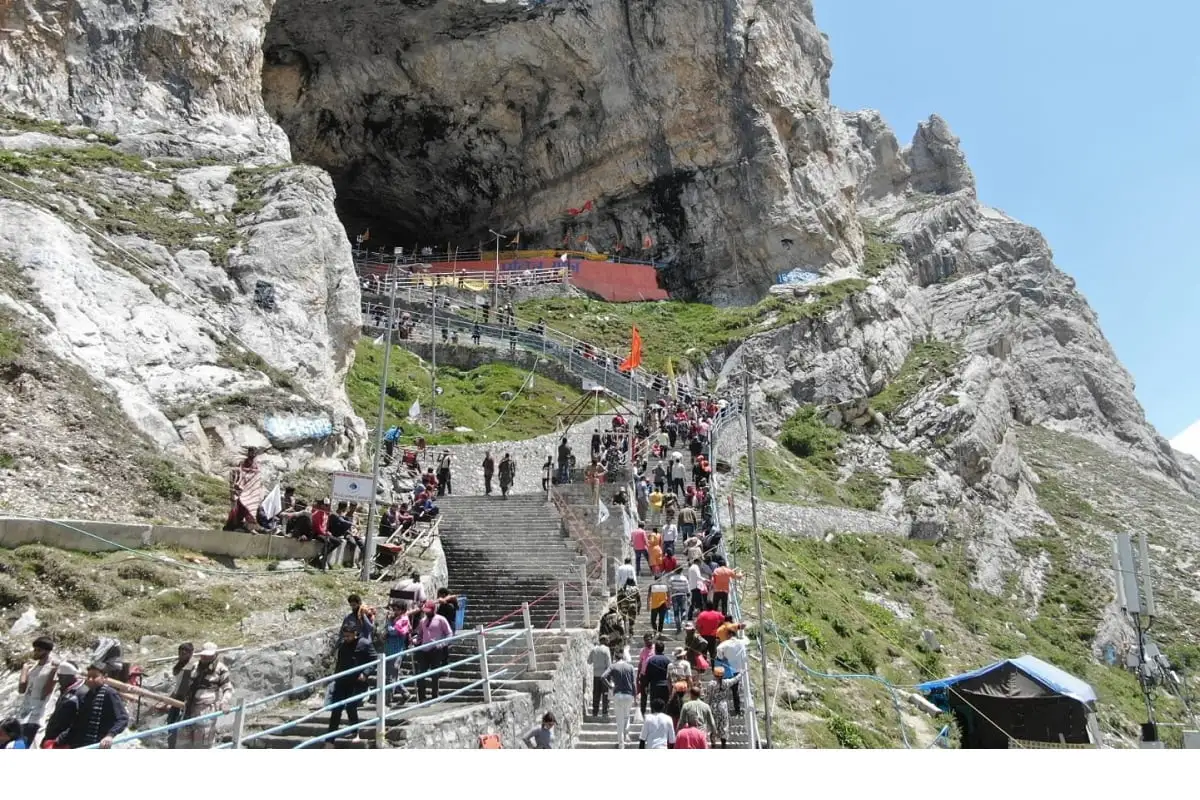
Shri Amarnath Ji Yatra: Where Faith Meets the Spirit of India
Mohammad Zaid Malik
Every summer, as the Himalayan winter loosens its grip and the snow begins to retreat from the high-altitude passes of Kashmir, a remarkable human movement begins to unfold. It is not driven by trade, tourism, or migration. It is driven by faith.

The Unheard Kashmir — Governance, Dependency and the Crisis of Representation in Pakistan Administered Kashmir
Bashir Assad
For nearly eight decades, the Himalayan region of Kashmir has occupied a unique place in international politics. It has generated wars, shaped national identities, influenced military doctrines, and drawn the sustained attention of diplomats, scholars, and policymakers across the world.
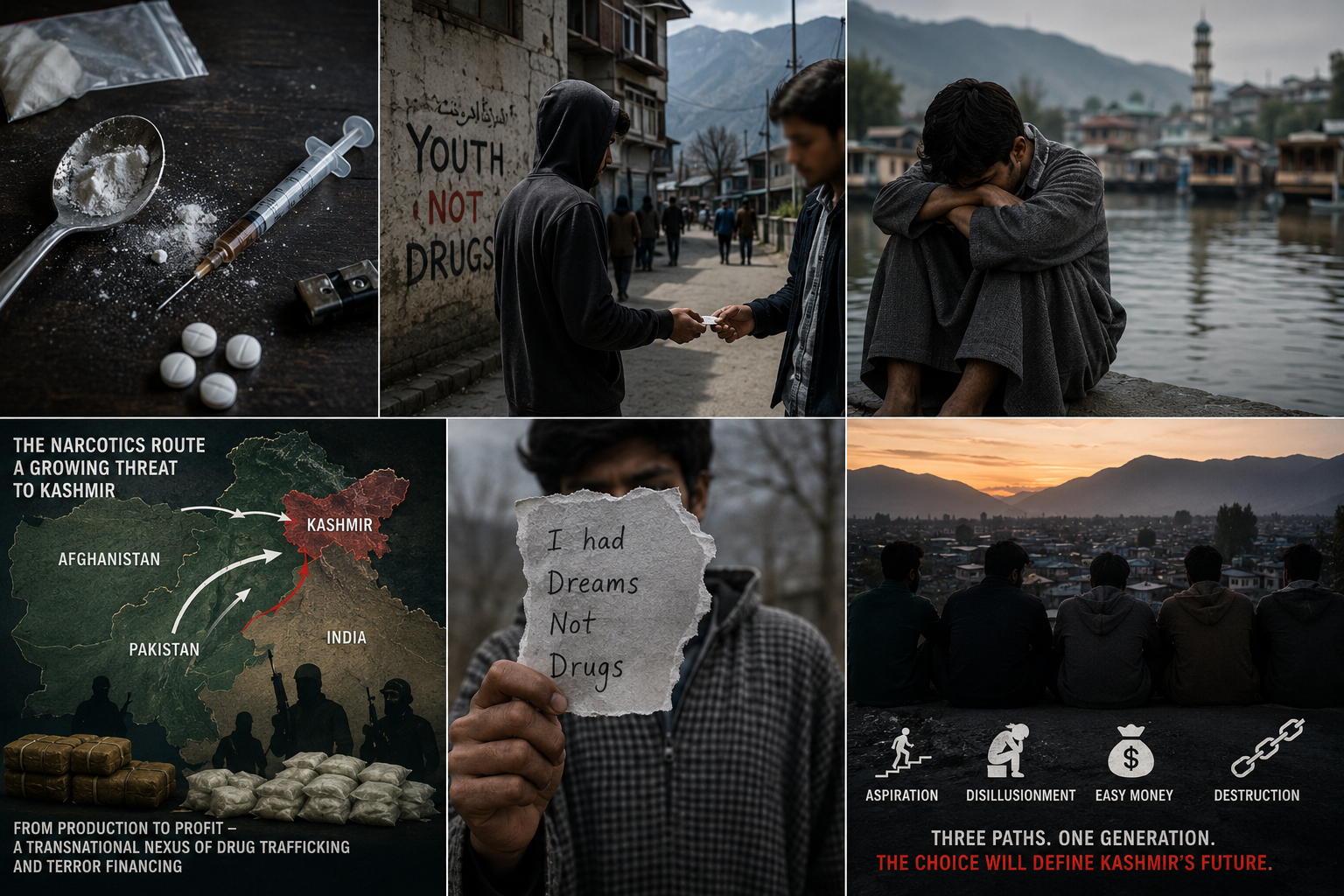
The New Economy of Despair Drugs, Easy Money, and The Fragmentation of Kashmiri Youth
Sohail Bhat
The contemporary Kashmiri social landscape is increasingly being shaped by two parallel and deeply contradictory realities. On one side stands a visibly aspirational generation attempting to reposition itself through education, entrepreneurship, digital culture, tourism, technology, competitive examinations, and new forms of professional mobility....