security Articles
From November 2026 Edition
security
The Indus Waters Treaty in Abeyance: Separating Facts from Rhetoric
By Devendra Kumar Sharma
Thu Nov 05 2026
The Indus Water Treaty (IWT), signed in Karachi on September 19, 1960, by the Indian Prime Minister Jawaharlal Nehru and Pakistani President Ayub Khan, was a historic water-sharing Agreement.
From November 2026 Edition

security
The Connectivity Conundrum: Hybrid Vulnerabilities in the Trans-Regional Grid
By Insha Sofi
Thu Nov 05 2026
For generations, the primary objective of the security architecture in Jammu and Kashmir was defined by predictable paradigms. The state apparatus focused on securing urban population centers against street agitation, while simultaneously reinforcing the multi-layered counter-infiltration grids along the Line of Control.
From October 2026 Edition
security
Jammu and Kashmir Police: From a Force Under Siege to the Frontline of Counter-Terrorism
By Muhammad Zaid Malik (KPS)
Thu Oct 08 2026
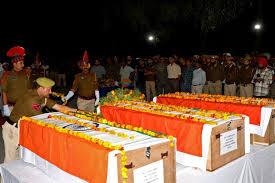
The history of the Jammu and Kashmir Police since the outbreak of terrorism is, in many ways, the history of an institution that was forced to reinvent itself while operating under fire. In the late 1980s, the force was essentially a conventional civil police organisation.
From September 2026 Edition
security
TULBUL NAVIGATION PROJECT: Four Decades of Deadlock and Kashmir’s Stunted Water Economy
By Pradeep Kumar Saxena
Tue Sep 08 2026
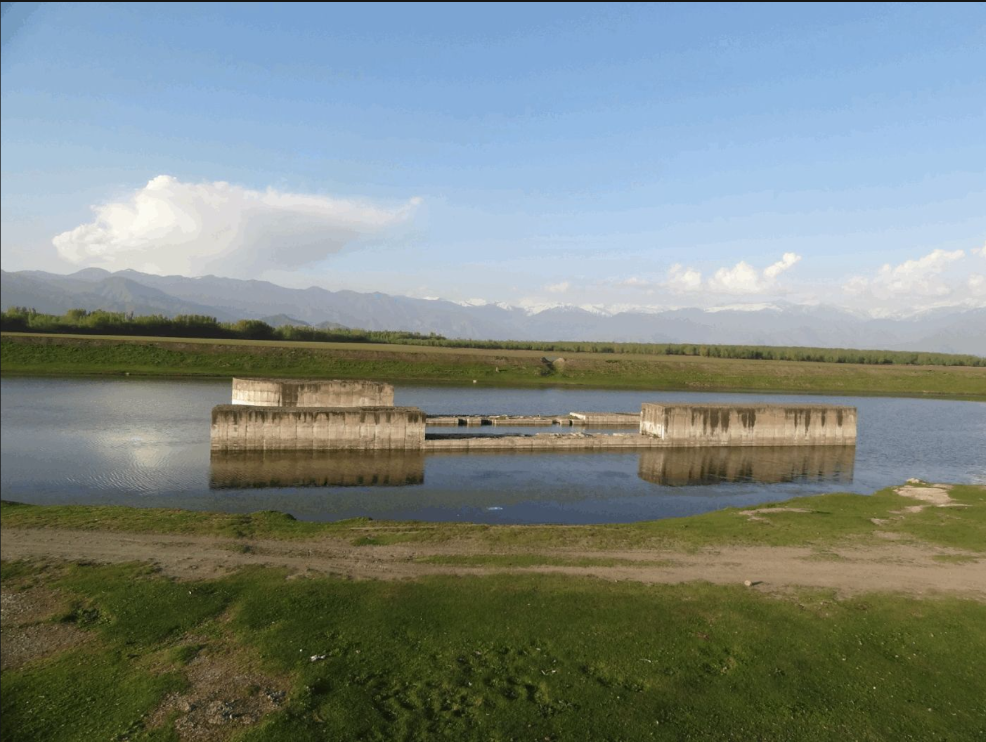
A partially built structure at the outlet of Wular Lake in north Kashmir has stood frozen since 1987, which is a mute testimony to the decades of restraint India exercised in the name of goodwill and friendship vis-a-vis Pak. The Tulbul Navigation Project, a modest navigation lock on the Jhelum at the lake’s outfall, was suspended when India halted construction in good faith following Pakistan’s objection.
From September 2026 Edition
security
Is the Calm Holding
By Bashir Assad
Tue Sep 08 2026
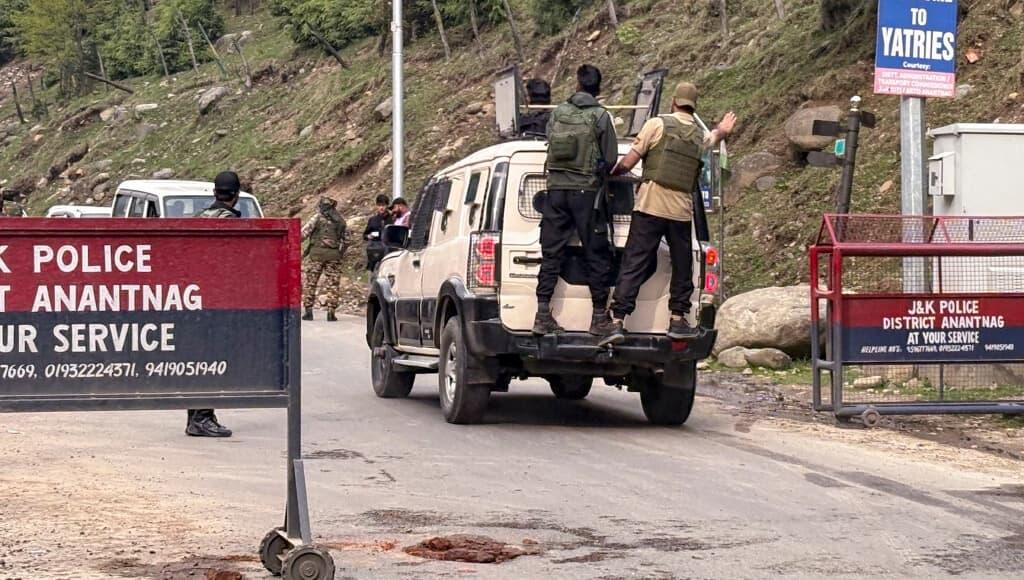
Kashmir after Anantnag and Kulgam For much of the period following the Pahalgam attack, the most striking feature of Kashmir's security landscape was the relative absence of major attacks. That did not mean the threat had gone away. The Valley remained heavily guarded, intelligence operations continued and security agencies maintained a close watch over areas that had, at different points, been active theatres of militancy.
From August 2026 Edition
security
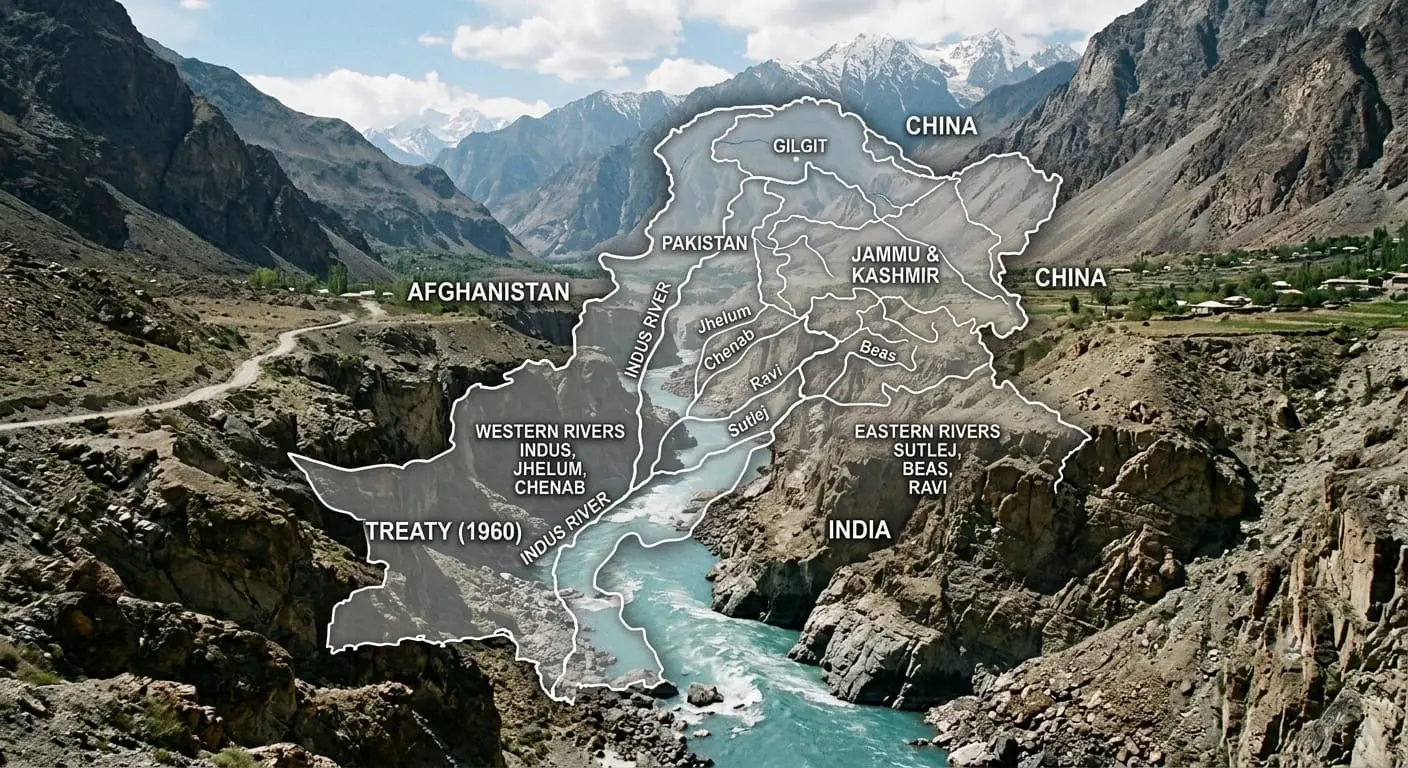
India Kept the Indus Waters Treaty Alive — Until It Became an Unbearable Burden
By Kushvinder Vohra
Wed Jul 29 2026
For decades, the Indus Waters Treaty (IWT) has been celebrated globally as one of the world’s most successful international water-sharing agreements. It survived wars, military stand-offs, and prolonged hostility between India and Pakistan. Yet one fundamental question has rarely been examined honestly: what actually kept the Treaty alive for over six decades?
From July 2026 Edition
security
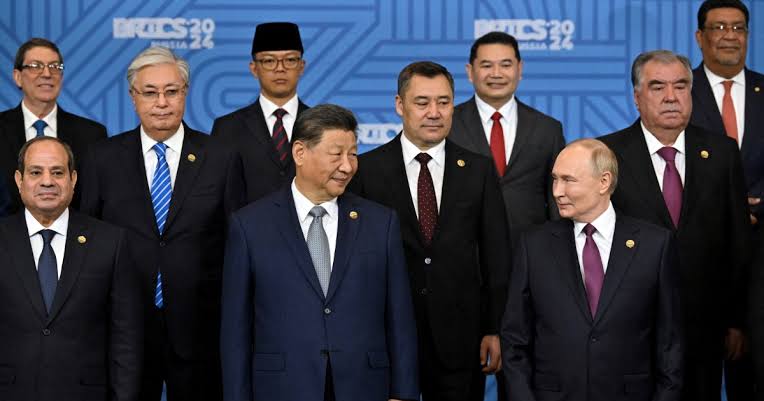
Kashmir and the New Asian Geopolitics How China’s Rise is Reshaping the Strategic Environment
By KC Desk
Sat Jul 04 2026
For much of the twentieth century, the Kashmir region was understood through a relatively stable analytical framework. It was a territorial and political conflict between India and Pakistan, shaped by Partition, sustained by competing claims of sovereignty, and periodically intensified by military confrontation.
From June 2026 Edition
security
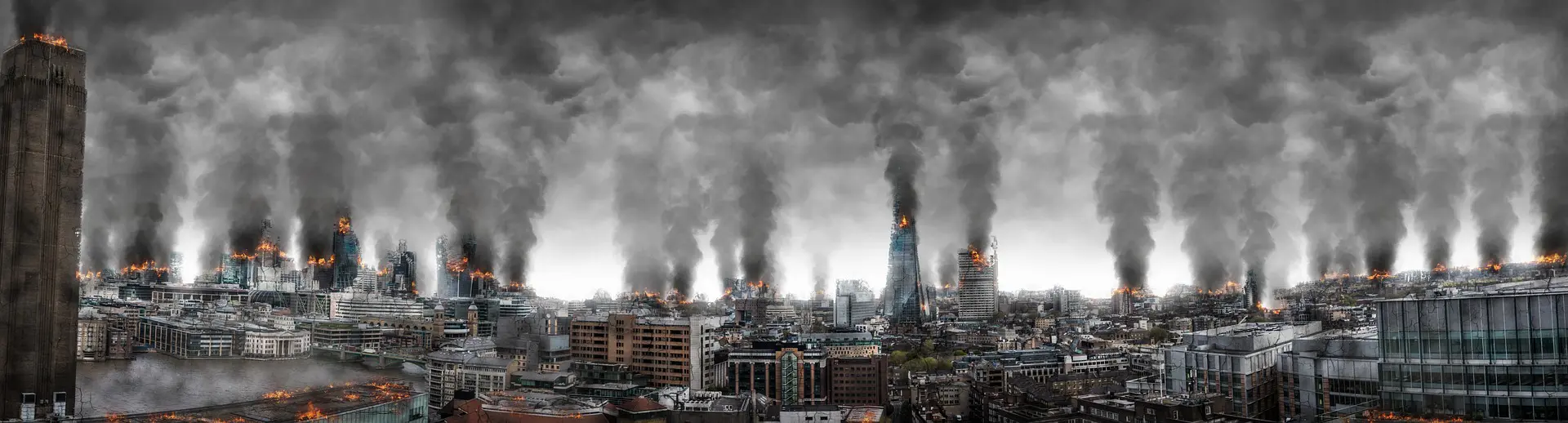
Managing Instability in the Modern Middle East
By Mohammad Zaid Malik
Sun Jun 07 2026
The contemporary Middle East is no longer merely a region experiencing recurring crises. It is increasingly becoming a geopolitical system in which instability itself has acquired structural permanence.
From March 2026 Edition
security
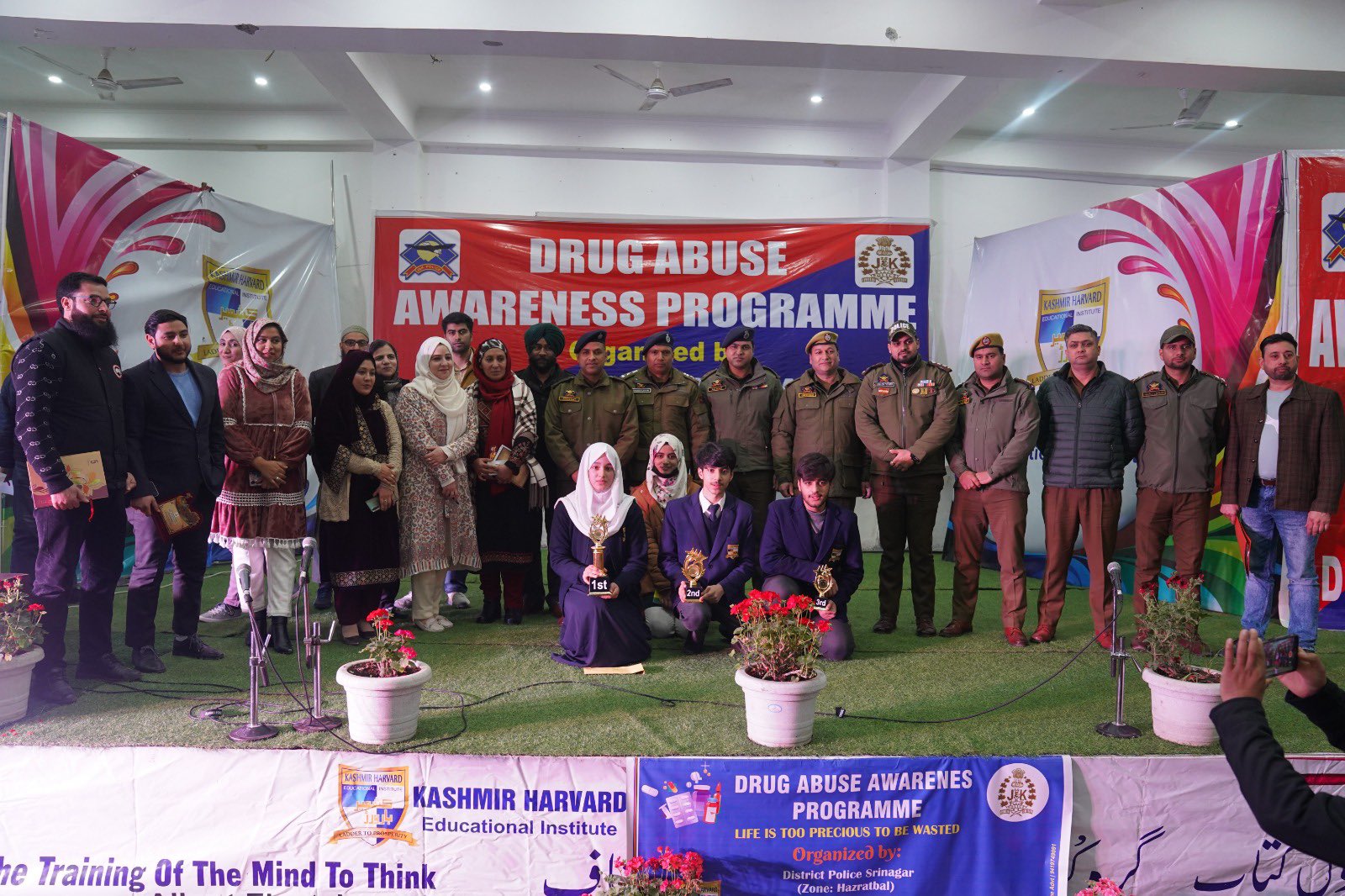
NARCO-TERRORISM AS HYBRID WARFARE AND THE CENTRALITY OF J&K POLICE
By Mohammad Zaid Malik
Tue Mar 17 2026
Hybrid warfare does not announce itself with tanks or troop movements. It advances silently, exploiting social fractures, psychological vulnerabilities and illicit economies. In Kashmir, narcotics have become one of the most effective non-kinetic weapons deployed against internal stability. The response to this threat has not been led from distant command rooms or border posts but from within society itself.