politics
The Invisible Border
By Bashir Assad | Wed Jul 29 2026
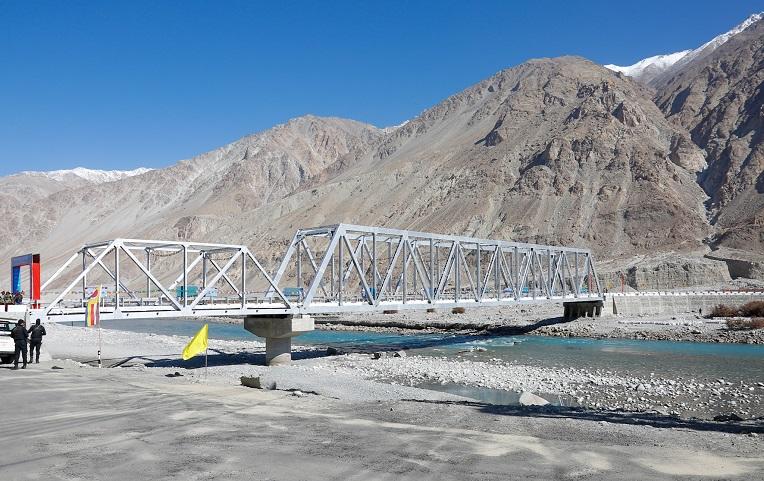
There are borders that announce themselves with walls, customs posts and immigration counters. There are others that exist only on maps, scarcely noticed by the people who cross them every day. The Line of Control in Jammu and Kashmir belongs to neither category. It is visible enough to command one of the largest military deployments anywhere in the world, yet invisible in the legal sense because it is not recognized as an international boundary. It is a line whose political status has remained deliberately unresolved for more than seven decades, but whose practical significance has become increasingly defined by realities that neither military doctrine nor diplomatic vocabulary fully captures.
For decades, the Line of Control was understood almost exclusively through the language of conflict. It represented ceasefire violations, infiltration routes, artillery duels, military bunkers and diplomatic disputes. Every discussion about the Line revolved around soldiers, weapons and territorial claims. Maps marked it as a military demarcation, governments referred to it in strategic statements, and the international community viewed it as one of South Asia's most sensitive flashpoints. In this conventional understanding, the Line of Control existed primarily because armies stood on either side of it.
The Line of Control remains one of the world's most militarized frontiers, but its strategic story is no longer defined by security alone. As roads, tunnels, technology and development reshape the mountains of Kashmir, an invisible transformation is quietly redefining the frontier and the future of the region.
That understanding, while still valid, has become incomplete.
The most profound transformation along the Line of Control today is not one that can be observed from satellite imagery alone or measured by the number of ceasefire violations in a given year. It lies in the gradual emergence of a different kind of frontier. Military deployments continue to dominate the landscape, but beneath that visible layer another process has been unfolding quietly. Roads have begun to compete with ridgelines as instruments of strategy. Tunnels have become as significant as trenches. Fibre optic cables, surveillance grids, drone detection systems, tourism infrastructure, educational institutions, logistics corridors and expanding civilian economies are changing the meaning of proximity to the frontier. The Line of Control is no longer only where two militaries confront each other. It is increasingly where two different systems of governance, two developmental trajectories and two contrasting socio-economic experiences meet without ever truly interacting.
This transformation has received remarkably little scholarly attention. Much has been written about military strategy, constitutional developments, diplomacy and insurgency. Comparatively less effort has been devoted to understanding how the geography of the conflict itself has evolved. Geography is often treated as permanent, but strategic geography is anything but static. It changes as technology changes, as infrastructure expands, as populations adapt and as states acquire new capacities to influence territory. A mountain that once served as an impregnable barrier may become less significant once tunnels reduce travel times. A valley that once functioned as an infiltration corridor may lose its strategic value when persistent aerial surveillance renders movement continuously observable. A remote village may acquire strategic importance not because of military deployment but because it becomes connected to highways, communications networks and markets.
This evolution reflects a broader truth about modern conflict. Twenty-first century states increasingly shape contested territories not merely through military presence but through governance, connectivity and economic integration. Infrastructure has become an instrument of statecraft. Roads shorten not only distances but also administrative reach. Bridges connect more than riverbanks; they connect institutions with citizens. Digital communication compresses physical isolation. Markets create incentives that political slogans often fail to generate. Economic opportunity, educational access and mobility gradually reshape how populations perceive both the state and their own future.
Nowhere is this relationship between security and development more evident than in the Himalayan frontier.
For generations, life in villages close to the Line of Control was defined by uncertainty. Agricultural cycles were interrupted by shelling. Schools closed during periods of heightened tension. Families lived with the possibility that a ceasefire violation could instantly alter the rhythm of ordinary life. Physical isolation compounded psychological insecurity. Mountain terrain limited access to healthcare, education and markets, reinforcing a sense of peripheral existence. Border communities were viewed primarily through a security lens, their developmental needs often overshadowed by immediate military concerns.
Over the past decade, however, a gradual but unmistakable shift has emerged. Improved roads have reduced travel times to district headquarters. Better telecommunications have connected villages that once relied on intermittent communication. Educational institutions have expanded their reach. Tourism has begun to penetrate regions previously associated almost exclusively with conflict. Public services have become more accessible, and administrative presence more visible. While these developments remain uneven and challenges persist, they represent a significant departure from earlier decades when proximity to the Line of Control almost automatically implied developmental disadvantage.
This does not suggest that conflict has disappeared or that security considerations have diminished. On the contrary, military preparedness remains indispensable. The terrain continues to demand vigilance, and the strategic sensitivities associated with the Line of Control remain unchanged. Yet the relationship between security and development is no longer sequential, where one waits for the other. Increasingly, they have become mutually reinforcing. Infrastructure enhances military mobility while simultaneously improving civilian livelihoods. Communications networks facilitate administrative governance as much as operational coordination. Investments justified on strategic grounds often produce substantial economic and social consequences.
Such dual-use infrastructure represents one of the defining characteristics of contemporary border management. A tunnel carved through the mountains is not merely an engineering achievement. For military planners, it enables faster deployment, all-weather logistics and greater operational flexibility. For civilians, it reduces travel times, expands economic opportunities, improves healthcare access and encourages tourism. A bridge may carry military convoys during periods of heightened tension, yet for most of the year it carries schoolchildren, traders, farmers and ambulances. The same physical structure performs multiple strategic functions simultaneously.
This convergence between civilian development and strategic planning is gradually altering the meaning of the frontier itself. Historically, border regions often existed as peripheral spaces where governments concentrated military resources while economic development remained secondary. Today, many states increasingly view prosperous border regions as strategic assets. Population stability, economic resilience and institutional presence contribute to national security no less than military fortifications. A vibrant frontier can project confidence in ways that static defensive structures cannot.
The implications extend beyond economics. Infrastructure changes perceptions. A journey that once required an entire day but can now be completed in a few hours alters how citizens relate to the state. Administrative services become more accessible. Educational aspirations expand because institutions are no longer geographically distant. Healthcare becomes more reliable when emergency transport is available throughout the year. Investment becomes more attractive when connectivity improves. None of these changes erase political complexities, but together they reshape the everyday experience of living near the frontier.
Technology has accelerated this transformation. Surveillance systems that once depended primarily on human observation increasingly incorporate sophisticated sensors, thermal imaging, unmanned aerial platforms and integrated communications. Information travels instantly across command structures. Weather patterns, terrain conditions and movement can be monitored with unprecedented precision. The frontier remains heavily guarded, but the methods of guarding it have evolved dramatically. The traditional image of isolated posts relying solely on physical patrols no longer captures the technological sophistication of contemporary border management.
Ironically, the same technologies that enhance security also reduce isolation. Digital connectivity enables education, commerce and communication. Young entrepreneurs can operate businesses from locations that previous generations regarded as geographically disadvantaged. Farmers gain access to wider markets. Students participate in online education. Financial services become available through digital platforms. Governance itself acquires a different character when physical distance ceases to determine administrative effectiveness.
As these developments accumulate, the Line of Control begins to acquire dimensions that conventional strategic analysis often overlooks. It remains a military frontier, but it is increasingly also a developmental frontier, a technological frontier and an economic frontier. It separates not merely territories but trajectories. Over time, these differing trajectories may prove as consequential as military deployments in shaping the future character of the region.
The most enduring borders in history have rarely been defined solely by soldiers. They have been shaped by the roads that connected cities, the markets that attracted commerce, the institutions that delivered governance and the ideas that gave populations confidence in the future. Military power can secure a frontier, but it is infrastructure, economic opportunity and effective institutions that determine how people experience it.
The Line of Control is entering such a phase. Its significance is no longer measured only by ceasefire agreements or military deployments. It is increasingly measured by how successfully competing systems transform the lives of the communities that live closest to it. In that quiet transformation lies perhaps the most important strategic story unfolding in Kashmir today—not because the guns have fallen silent, but because alongside them another contest has steadily emerged, one fought with roads instead of ridgelines, connectivity instead of isolation, and the promise of development alongside the imperatives of security.
Part II: Mountains, Tunnels and the New Logic of Strategy
History has always favoured those who mastered geography. Great empires were built not merely by winning battles but by understanding mountains, rivers, deserts and seas better than their rivals. The Himalayas, stretching across northern India like an immense natural fortress, have for centuries shaped military campaigns, trade routes and political destinies. In Kashmir, no geographical feature has exercised greater influence over strategic thinking than the mountain ranges that define the Line of Control. Their towering peaks, deep ravines and narrow valleys have never been passive elements of the landscape. They have acted as participants in history, determining where armies could advance, where settlements could flourish and where political authority could realistically extend.
For much of the twentieth century, these mountains appeared to favour defence over mobility. Roads remained sparse, winters isolated entire regions for months, and altitude imposed severe limitations on military logistics. The state that controlled the heights possessed a distinct tactical advantage, while those attempting movement across difficult terrain paid an enormous physical price. Military planning therefore revolved around ridgelines, observation posts and supply routes that were vulnerable to weather as much as to hostile action. Geography dictated strategy with almost uncompromising authority.
The Kashmir of today, however, is gradually challenging that historical equation. The mountains remain where they have always stood, but the technologies designed to overcome them have advanced with remarkable speed. Roads now penetrate valleys once considered inaccessible. Modern tunnels bypass snowbound passes that historically determined the rhythm of civilian life and military operations alike. Bridges span rivers that previously isolated entire communities. Digital communication reaches locations where physical access remains difficult. The result is not the disappearance of geography but its transformation. Mountains still matter, yet they no longer exercise the same degree of control over human movement that they once did.
This evolution represents one of the least discussed but most consequential strategic developments in contemporary Kashmir.
Infrastructure has traditionally been viewed through an economic lens. Roads facilitate trade, bridges improve connectivity and tunnels shorten travel time. In frontier regions, however, infrastructure carries a second meaning. Every kilometre of road has strategic value because it affects the movement of military forces as much as civilian traffic. Every bridge influences logistics. Every tunnel alters calculations that military planners have made for generations. The distinction between developmental infrastructure and strategic infrastructure becomes increasingly difficult to sustain because the same project serves both purposes simultaneously.
The Himalayan frontier offers perhaps the clearest illustration of this principle.
A road constructed through a remote mountain valley does more than connect villages to district headquarters. It allows agricultural produce to reach urban markets before it perishes. It enables children to attend schools throughout the year. It allows emergency medical services to reach isolated communities during winter. At precisely the same time, it provides security forces with faster access to sensitive sectors, reduces dependence on vulnerable supply routes and improves operational flexibility during emergencies. The civilian and military benefits are inseparable. One cannot meaningfully discuss one without acknowledging the other.
This convergence has become increasingly visible across Jammu and Kashmir over the past decade. Investments in highways, bridges and tunnels have often been interpreted through the language of development, yet their strategic implications are equally profound. The completion of the Banihal Qazigund Tunnel fundamentally altered year round connectivity between the Kashmir Valley and the rest of India. The Chenab Rail Bridge, one of the highest railway bridges in the world, represents not merely an engineering achievement but a transformation in national logistics. The Udhampur Srinagar Baramulla Rail Link promises to integrate the Valley into India's broader railway network in ways that earlier generations considered almost unimaginable.
Perhaps nowhere is this new strategic logic more evident than in the Z Morh Tunnel and the under construction Zojila Tunnel. For decades, the Zojila Pass symbolised both the beauty and vulnerability of Himalayan geography. Every winter, snowfall disrupted movement between the Kashmir Valley and Ladakh, affecting civilians, trade and military logistics alike. The seasonal closure of the route imposed costs that extended far beyond transportation. It limited economic integration, constrained tourism, complicated administrative coordination and introduced uncertainty into military planning.
The Zojila Tunnel represents an attempt to rewrite that geography. By providing all weather connectivity between the Kashmir Valley and Ladakh, it fundamentally changes the relationship between terrain and state capacity. Military planners gain reliable year round access to strategically significant regions. Civilian communities gain uninterrupted mobility, economic opportunities and access to public services. Tourism acquires greater stability because seasonal isolation becomes less severe. What appears to be an infrastructure project therefore functions simultaneously as an instrument of national integration, economic development and strategic resilience.
The significance of such projects extends beyond the physical structures themselves. They reflect a changing philosophy of border management. Earlier approaches often accepted geography as a permanent limitation that governments could only partially mitigate. Contemporary policy increasingly seeks to reshape the practical consequences of geography through engineering, technology and sustained investment. The objective is not to conquer mountains but to reduce the strategic disadvantages they impose.
This shift has broader geopolitical implications.
Across the Himalayas, infrastructure has emerged as one of the principal indicators of strategic competition. Roads, railways, airfields, tunnels and communication networks are no longer merely developmental assets; they signal long term political commitment to frontier regions. They demonstrate administrative reach, economic confidence and military preparedness simultaneously. The competition is therefore not confined to troop deployments or weapons systems. It increasingly involves the capacity to build, connect and sustain difficult terrain over extended periods.
Technology has amplified this transformation in ways that would have appeared extraordinary only two decades ago.
Traditional military doctrine along the Line of Control depended heavily on human observation. Observation posts occupied commanding heights. Patrols monitored infiltration routes. Local familiarity with terrain constituted one of the greatest strategic advantages. While these methods remain indispensable, they have been supplemented by an expanding technological ecosystem. Thermal imaging devices, long range electro optical sensors, ground surveillance radars, integrated communication systems and unmanned aerial platforms have altered how the frontier is monitored.
The rise of drones deserves particular attention. Their emergence has fundamentally changed assumptions about borders throughout the world, and the Line of Control is no exception. For decades, difficult terrain itself served as a partial defence because movement through mountains imposed significant physical constraints. Drones introduce an entirely different dimension. Surveillance no longer depends exclusively upon direct human observation. Small aerial platforms can monitor terrain, detect movement and provide information with a speed that earlier generations could scarcely imagine.
At the same time, drones have introduced new vulnerabilities. The frontier is no longer challenged solely by traditional infiltration methods. Small unmanned platforms capable of transporting weapons, narcotics or communication equipment have created entirely new security concerns. Consequently, border management increasingly involves electronic warfare capabilities, anti drone technologies and sophisticated sensor networks alongside conventional military deployments.
The frontier has become digital as much as physical.
Yet perhaps the most fascinating aspect of this technological evolution lies not in military applications but in its civilian consequences.
Digital connectivity has transformed daily life across many frontier districts. Mobile communication, internet access and online services have reduced the psychological distance between remote communities and urban centres. Students participate in virtual classrooms. Entrepreneurs market local products beyond regional boundaries. Telemedicine connects rural patients with specialists located hundreds of kilometers away. Government services increasingly reach citizens through digital platforms rather than physical offices alone. These developments subtly alter the meaning of remoteness.
A village located near the Line of Control may remain geographically distant from Srinagar or Jammu, but digital communication compresses that distance in practical terms. Information flows rapidly. Economic transactions occur electronically. Administrative services become accessible through technology. The frontier remains physically demanding, yet it becomes progressively less isolated from the national mainstream.
Security planners increasingly recognize that such connectivity itself contributes to resilience. Communities with stronger educational institutions, reliable communications, expanding economic opportunities and effective public services are generally better positioned to withstand the uncertainties associated with life near sensitive frontiers. Development therefore becomes an integral component of strategic stability rather than a separate policy objective. This represents one of the defining characteristics of twenty first century border management.
The traditional image of frontier security emphasized fences, bunkers and military outposts. Those elements remain essential, but they no longer tell the entire story. Modern border management increasingly depends upon roads that support logistics, communication networks that enable rapid coordination, educational institutions that strengthen communities, healthcare systems that improve quality of life and economic opportunities that encourage long term settlement. Security is no longer understood exclusively as the absence of threats. It is increasingly understood as the presence of resilient institutions.
The Line of Control illustrates this transition with unusual clarity.
It remains among the world's most heavily militarized frontiers, yet military preparedness alone cannot explain its contemporary character. Equally important is the expanding web of infrastructure that sustains both civilian life and national capability. Every completed highway reduces logistical uncertainty. Every operational tunnel enhances strategic flexibility. Every school, hospital and communication tower extends the practical reach of governance. Every technological innovation modifies the relationship between geography and power.
None of these developments diminish the importance of military readiness. Rather, they redefine the environment within which military readiness operates. Armies continue to guard the frontier, but increasingly they do so within a landscape that is more connected, more technologically integrated and more economically dynamic than at any previous point in its modern history.
The transformation remains incomplete. Harsh weather continues to test infrastructure. Mountain terrain still imposes formidable engineering challenges. Environmental concerns require careful attention as development accelerates. Security risks persist and occasionally evolve faster than the technologies designed to address them. Nevertheless, the broader trajectory appears unmistakable. The strategic value of the frontier is increasingly determined not only by the number of troops deployed or weapons positioned but also by the quality of roads, the reliability of communications, the resilience of institutions and the confidence of the communities that inhabit these mountains.
The old military map of the Line of Control is gradually being overlaid by another map, one composed not of defensive positions but of transport corridors, digital networks, logistics hubs and expanding economic activity. It is this second map that may ultimately shape the frontier's long term significance. Wars can alter territorial control, but infrastructure alters the everyday relationship between people, place and the state. In the long sweep of history, that relationship has often proved more enduring than the outcome of individual battles.
If the twentieth century taught military planners that geography determines strategy, the twenty first century is demonstrating that infrastructure increasingly determines how geography itself is experienced. The invisible border is therefore becoming something far more complex than a line separating opposing forces. It is evolving into a frontier where engineering, technology and governance quietly redefine the balance between distance and connectivity, isolation and integration, vulnerability and resilience.
Part III: Where Geography Ends and Human Experience Begins
Every border ultimately acquires two meanings. One belongs to states, the other to people. States view borders through the language of sovereignty, military preparedness, diplomacy and territorial integrity. People experience them through schools, hospitals, markets, employment, mobility and the quiet routines of everyday life. The first meaning dominates headlines. The second shapes history.
The Line of Control in Jammu and Kashmir has long been examined almost entirely from the perspective of states. Governments debate its strategic implications. Military institutions evaluate its operational challenges. Diplomats negotiate its political significance. Yet the most enduring transformation taking place along this frontier cannot be understood solely through the language of geopolitics. It is equally a story about how geography gradually influences societies, how prolonged separation creates distinct developmental experiences, and how borders, even when not internationally recognized, begin to shape identities through the cumulative force of everyday life.
Borders rarely transform societies overnight. Their influence is incremental, often imperceptible to those living through the process. A child attending school today is unlikely to recognize how profoundly infrastructure, governance and economic opportunity will shape the way that child understands the world twenty years later. A trader choosing between local and regional markets seldom considers that such decisions contribute to broader economic integration. A family seeking better healthcare or higher education makes choices based on immediate needs, yet collectively those choices reveal the trajectory of an entire society. History frequently advances not through dramatic political announcements but through millions of ordinary decisions made by ordinary people.
This gradual accumulation of everyday experience may ultimately become the most consequential aspect of the Line of Control.
For decades, communities living near the frontier on both sides shared remarkable similarities. They inhabited comparable mountain landscapes, spoke related languages and dialects, celebrated many common cultural traditions and faced similar environmental challenges. Families separated by conflict often retained memories of social and economic connections that predated partition and the wars that followed. Geography encouraged continuity even when politics imposed division.
Time, however, has introduced another force into the equation.
The passage of generations under different administrative systems inevitably produces institutional divergence. Education systems evolve independently. Public health structures develop according to different priorities. Legal frameworks shape distinct administrative cultures. Economic policies influence investment patterns. Infrastructure projects alter mobility. Employment opportunities affect aspirations. Information ecosystems create different public conversations. None of these processes alone determines the future of a society. Together, sustained over decades, they gradually produce different lived realities.
The significance of this divergence extends beyond material conditions. It influences perception.
Human beings understand political systems less through constitutional documents than through personal experience. The efficiency of public institutions, the accessibility of services, the quality of roads, the availability of employment and the predictability of governance collectively shape public confidence. Political legitimacy, while undoubtedly influenced by ideology and history, is also reinforced or weakened by the daily interaction between citizens and institutions.
This observation applies universally. Throughout history, states have recognised that durable authority depends not only upon security but also upon administrative effectiveness. Roads that remain open during winter, reliable electricity, functioning schools, accessible healthcare and expanding economic opportunities are not merely indicators of development. They represent the practical face of governance. Citizens often judge institutions less by abstract political principles than by whether those institutions improve everyday life.
In this respect, the strategic significance of development acquires an entirely different dimension. Infrastructure does more than connect places. It connects citizens to the state. Educational institutions do more than produce graduates. They cultivate expectations about opportunity and social mobility. Markets do more than generate economic activity. They create networks of dependence and confidence that extend well beyond commerce itself.
This relationship between governance and security has become increasingly apparent across contemporary conflict regions worldwide. Military stability may establish the conditions necessary for development, but sustained development often reinforces long term stability by reducing isolation, expanding opportunity and strengthening institutional credibility. Security and development therefore become mutually reinforcing rather than sequential objectives.
The evolution of the Line of Control illustrates this principle with unusual clarity.
The frontier remains militarily sensitive, yet the contest surrounding it increasingly extends into domains that traditional strategic literature often overlooks. Universities, tourism, digital connectivity, entrepreneurship, healthcare and transportation now possess strategic relevance because they influence how populations experience governance. Economic resilience contributes to national resilience. Social confidence enhances institutional confidence. Administrative presence strengthens territorial integration in ways that military deployment alone cannot achieve.
Perhaps the most remarkable aspect of this transformation is that it proceeds quietly.
Unlike political speeches or diplomatic negotiations, infrastructure rarely attracts sustained international attention once completed. Schools seldom dominate strategic debates. Hospitals are rarely discussed in military journals. Digital communication networks appear technically mundane. Yet these are precisely the institutions that shape the long term relationship between citizens and the state. They influence migration patterns, investment decisions, educational aspirations and demographic stability. Over decades, their cumulative impact may prove more enduring than individual political crises.
The Line of Control therefore confronts strategic analysts with an important question. What ultimately defines a frontier in the twenty first century?
Is it merely the location where opposing military forces maintain vigilance?
Or is it increasingly the point where different systems of governance, economic organization and institutional development produce distinct social outcomes?
The answer is likely both.
Military deterrence remains indispensable. No serious assessment of the Line of Control can ignore the realities of security. Cross border tensions, infiltration attempts, technological adaptation and regional geopolitical competition continue to demand sustained preparedness. Yet military readiness alone no longer explains the changing character of the frontier. Parallel to the visible security architecture has emerged another architecture composed of highways, tunnels, communication systems, educational institutions, financial networks and expanding civilian infrastructure.
These two architectures are not competitors. They reinforce one another.
The soldier stationed in a remote post depends upon the same road that enables local farmers to transport produce to market. The communication network that supports operational coordination also allows students to attend online classes. The bridge that facilitates military logistics also carries tourists, teachers, ambulances and traders. Modern frontiers increasingly rely upon this convergence. Security creates space for development, while development enhances the resilience that security seeks to protect.
This convergence also reshapes international perceptions.
For decades, external discussions about Kashmir have frequently centered upon conflict, diplomacy and constitutional questions. Those dimensions remain significant, but they do not fully capture the region's contemporary transformation. Increasingly, Kashmir presents a more complex picture in which strategic competition coexists with economic investment, technological modernization and institutional expansion. Any serious observer seeking to understand the future of the region must therefore examine not only military deployments but also highways under construction, railway networks approaching completion, educational institutions expanding their reach and communities adapting to new opportunities.
The invisible border is, in this sense, a metaphor for a broader strategic transition. It describes the gradual movement from a frontier defined exclusively by confrontation towards one increasingly influenced by connectivity, governance and economic capability. It does not suggest that political disputes have disappeared or that historical disagreements have been resolved. Rather, it recognizes that the instruments through which states exercise influence are becoming more diverse.
Power itself has changed.
Throughout much of history, territorial control depended primarily upon military superiority. Contemporary statecraft remains inseparable from military strength, but it increasingly incorporates additional forms of capacity. States compete through infrastructure, technology, logistics, institutional performance and economic resilience. The frontier consequently becomes a space where these capabilities are demonstrated simultaneously.
For India, this transformation carries profound strategic implications. The long term stability of Jammu and Kashmir will depend not solely upon preventing security threats but equally upon sustaining economic opportunity, strengthening institutions and ensuring that border communities experience tangible improvements in quality of life. Strategic success in the twenty first century is measured as much by the confidence of citizens as by the readiness of armed forces.
This lesson extends beyond Kashmir.
Across the world, contested frontiers are being redefined by roads instead of rivers, fibre optic cables instead of telegraph lines, digital networks instead of physical isolation. Geography has not disappeared, but technology has altered how geography influences politics. Mountains remain formidable, yet tunnels diminish their isolating effect. Distance persists, yet digital communication compresses it. Borders continue to separate territories, yet infrastructure determines how those territories develop.
The Line of Control illustrates this emerging reality more vividly than almost any other frontier in Asia.
Its future will certainly continue to involve soldiers standing watch across difficult mountains. That image is unlikely to disappear. But alongside those soldiers another story is steadily unfolding. Engineers drilling through rock, railway lines approaching completion, communication towers extending digital reach, students pursuing education in previously isolated districts, entrepreneurs building businesses, tourists travelling where conflict once discouraged movement and institutions gradually strengthening their presence all contribute to a quieter transformation.
History often remembers battles because they are dramatic. It sometimes overlooks the roads built after the battles, even though those roads frequently determine the peace that follows. The great strategic shifts of the future may not be announced by artillery fire or diplomatic declarations. They may emerge through concrete poured into mountain valleys, fibre optic cables laid beneath the soil, trains crossing bridges once thought impossible and communities discovering that proximity to a frontier need not condemn them to perpetual isolation.
That is why the Line of Control should no longer be understood only as a military line.
It remains one of the world's most sensitive security frontiers, and it is likely to remain so for the foreseeable future. Yet beneath its visible military architecture another frontier has quietly taken shape. It is a frontier where governance competes with geography, where infrastructure challenges isolation, where technology alters strategic calculations and where the quality of everyday life increasingly becomes part of the broader contest over stability and legitimacy.
The invisible border is therefore not invisible because it cannot be seen. It is invisible because its most profound transformations occur beyond the range of conventional strategic analysis. They unfold gradually, silently and cumulatively, reshaping societies long before they reshape maps. Those who continue to view the Line of Control only through the prism of military confrontation risk overlooking the deeper currents that are redefining the region. For in the end, borders endure not merely because armies defend them, but because institutions sustain them, economies strengthen them and people find within them the confidence to build their future.
The future of the Line of Control will undoubtedly continue to be influenced by geopolitics, diplomacy and military preparedness. But its most enduring legacy may well be determined by something less visible and ultimately more powerful: the ability of competing systems to improve the lives of the people who live closest to the mountains where history once paused, but where the future is quietly being built.
Related Articles

Economics of Inflation Crusade
Dr Mehraj Ud Din Shah
Inflation is swiftly unfolding macroeconomic fallout across the various sectors, wiping out income, savings, investment, demand, and employment, thereby giving a rude shock to the countries. The existing Inflationary phenomenon is intensively destabilizing the budget plans and regular consumption patterns of the majority of consumers across the globe, including in India.
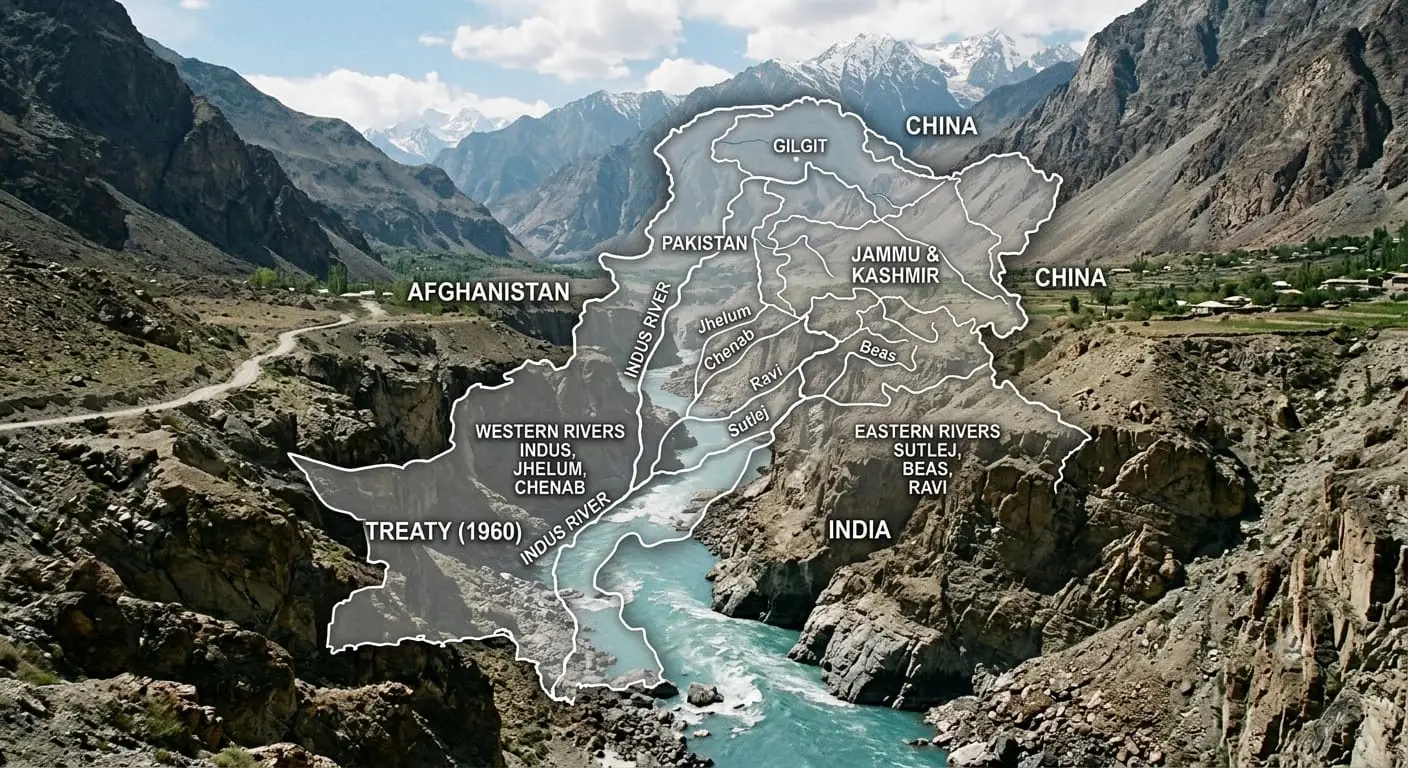
India Kept the Indus Waters Treaty Alive — Until It Became an Unbearable Burden
Kushvinder Vohra
For decades, the Indus Waters Treaty (IWT) has been celebrated globally as one of the world’s most successful international water-sharing agreements. It survived wars, military stand-offs, and prolonged hostility between India and Pakistan. Yet one fundamental question has rarely been examined honestly: what actually kept the Treaty alive for over six decades?

Who Owns Kashmir's Story?
Irfana Shafi
The answer was once straightforward. Governments issued official statements, newspapers interpreted events and diplomats framed international opinion. That order has quietly collapsed. Today, a student with a Smartphone, an influencer in another continent, a Diaspora activist, an anonymous social media account or an artificial intelligence system can shape global perceptions of Kashmir before any government has issued its first statement.
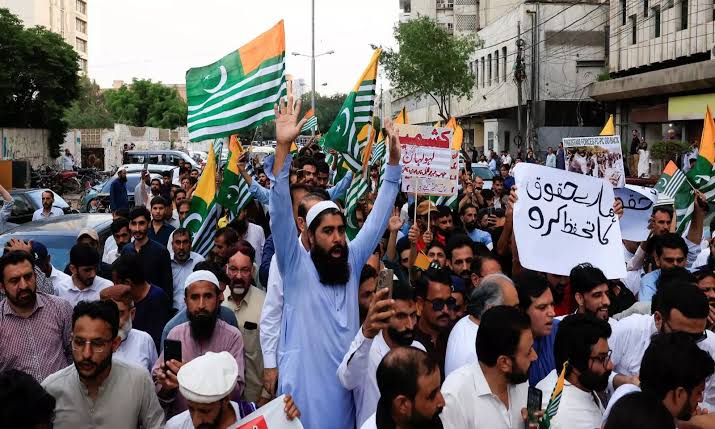
The Other Kashmir
Sohail Bhat
Every conflict has two histories. One is recorded in military maps, diplomatic exchanges and official communiqués. The other unfolds in the everyday lives of ordinary people, where politics is experienced through schools, hospitals, employment, courts and the responsiveness of public institutions.
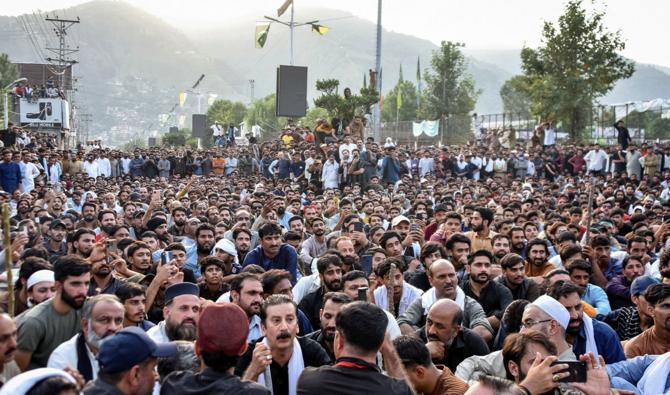
The Protest That Won’t Go Away
Rafi Ahmad Mir
Pakistan-administered Kashmir and the limits of political management
WHO OWNS KASHMIR’S WATER?
Sohail Bhat
The rivers of Kashmir have always been more than scenery. They have carried people, shaped settlements, fed fields, powered machines and remained at the centre of one of South Asia’s enduring conflicts. As the old arrangements around water enter uncertain territory, a more immediate question is emerging inside Kashmir itself: who benefits from the water that flows through it?