politics
Economics of Inflation Crusade
By Dr Mehraj Ud Din Shah | Wed Jul 29 2026
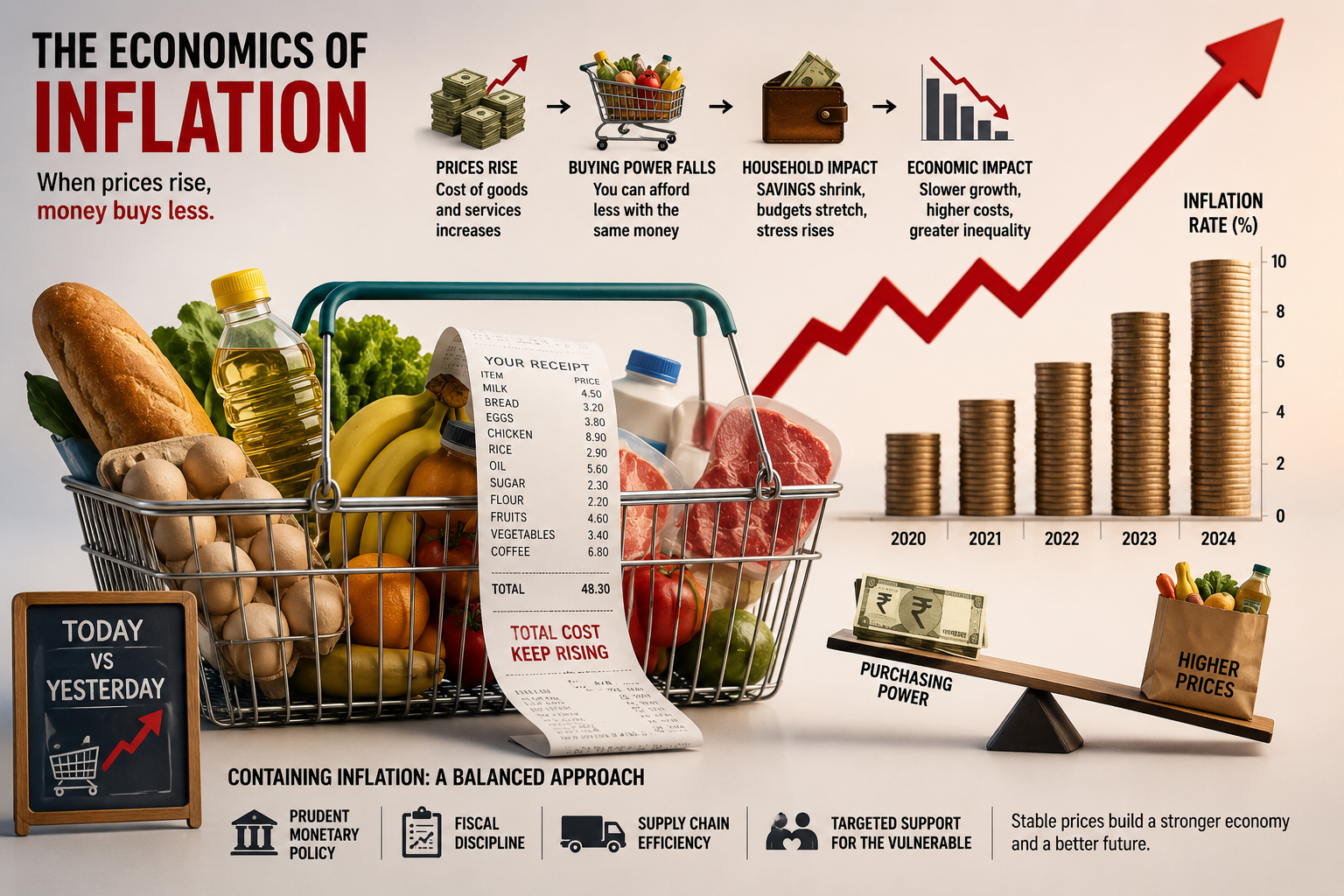
Inflation is swiftly unfolding macroeconomic fallout across the various sectors, wiping out income, savings, investment, demand, and employment, thereby giving a rude shock to the countries. The existing Inflationary phenomenon is intensively destabilizing the budget plans and regular consumption patterns of the majority of consumers across the globe, including in India. Understandably, the demand-supply disequilibrium, coupled with the conflict-driven fallouts like crude oil supply disruptions, rising commodity prices in the global market, export and import delays, and controlled buffer stocks, has pushed inflation to new heights. The global inflation rate is expected to touch between 4.7% to 5.0% in 2026. Nevertheless, the inflation scenario is somewhat relaxed in advanced economies like the USA,3.5%, and in fast developing country like China, 1.0% respectively. While in 2026, countries, like Venezuela (378%), Sudan (75%), Iran ( 68.9% ), Argentina (30%), Lebanon ( 20% ), Nigeria (16%), and Egypt (14%) are experiencing hyperinflation. The inflation in these countries is significantly pushed by their national monetary mismanagement policies, along with the existing geopolitical fallout in the Gulf and disrupted commodity flows and merchandise. The International Monetary Fund (IMF, 2026) reports that the blockades have forced global crude oil prices (like Brent) past $100 per barrel. This has effectively halted the global post-pandemic disinflation trend, forcing central banks worldwide to keep interest rates painfully high to discourage the short term barrowings and restrain money supply.
Admittedly, in India, inflation is in the walking phase. It is expected to rise further from the RBI’s benchmark of 2-6%. At present, India’s retail inflation (CPI) has reached 4.38%. It is consecutive rising over the last three months. The wholesale Price Index (WPI) has touched at 9.7% mainly due to high fuel and power costs. The inflation in India is within the Reserve Bank of India’s (RBI) tolerance band of 2-6%. The steady increase is driven primarily by rising food prices—including a sharp spike in tomato and ginger costs—and imported cost pressures from crude oil. Rightly, the inflation for the core products hovering around 3.5% is well within the limits of the monetary authorities. While the existing inflation for non-core products is mainly the byproduct of many global and domestic factors. The inflation for non-crore products is pegging between 30%-50% and may swell further in the immediate future, if plausible policy measures are not addressed. Understandably, this can be addressed through inward and outward policy measures. Apparently, the experts hint that the present inflation scenario is mainly due to crude oil constraints, as India imports a significant portion of its oil consumption, 90% from the Gulf countries and Russia. Accordingly, the Reserve Bank of India’s decision on the monetary policy front is still in the wait-and-watch mode. However, still at home, many other factors are significantly raising the inflationary pressures on consumers. They include climate challenges, supply shocks, Minimum Support Price (MSP) policy changes, and the management of controlled buffer stocks.
The Weak monsoon rainfall, registering roughly 19.3% in 2026 below normal levels, has directly impacted agriculture. The productivity of many essential and basic crops has been affected by the delayed rains, and as a result, the overall kharif crop acreage dropped by 16%, leading to lower projected harvests. Moreover, vulnerable rain-fed agricultural zones are experiencing a productivity squeeze. The slow adoption of high-yielding, climate-resilient crop varieties makes domestic yields highly sensitive to extreme heatwaves and flash floods. The traditional HYV crops like Rice, Wheat, Maiz and Sugarcane are deeply susceptible to climate variations. The rising heat stress increases evaporation rates, forcing farmers to over-pump depleting aquifers. When monsoons fail, these crops dry out quickly, leading to total stunting. These crops need genome editing to augment their climatic resilience and productivity. Further, the policy apathy of the Government’s Minimum Support Price (MSP) is profoundly impacting the supply side of the essentials and is sending inflationary signals. The MSP policy is subject to a limited number of crops and in select states of the country, and awareness about MSP among farmers is not significantly low. This phenomenon demotivates farmers from raising crops that are essential for consumption. Although the Government of India recently approved notable absolute increases in MSP for 14 essential Kharif crops and also raised support prices to ensure farmers receive at least a 50% margin over their cost of production, the same is insufficient and inadequate to raise the market supplies. Nonetheless, the government faces tough scrutiny at the hands of the World Trade Organization (WTO) for overbidding and is seen as a major violation of trade-distorting support limits. Moreover, the buffer stock policy of the government is somewhat callous and less helpful in dealing with the situations of galloping inflation. Understandably, the government releases foodgrains through the Open Market Sale Scheme (OMSS) to actively cool down inflation pressure. However, perishable vegetables lack extensive buffer infrastructure, and the government relies heavily on swift, reactive trade intervention. The perishable crops shortage swiftly trickles up inflation and jolts the consumers' income-consumption patterns. Consistent with the national level, the retail inflation in Jammu and Kashmir has moderated to around 3.8%, reflecting a 0.7 percentage-point decrease and aligning closely with the national average. Despite this recent cooling, the region continues to experience persistent price pressures and cost-of-living challenges, particularly in essential food, fuel, and transportation, due to its challenging terrain and reliance on external supply chains. Moreover, the revision in power tariffs has contributed to higher non-tax revenue collections for the administration, but this has simultaneously increased operational and living costs for both households and local businesses. While government economic surveys indicate that Gross State Value Added (GSVA) is expanding—driven primarily by the service and agriculture sectors—the gap between J&K's inflation trends and national averages means households remain under financial strain. The administration maintains ongoing investments in infrastructure and supply chain logistics to cushion vulnerable sections and stabilize commodity stocks. However, the state continuously boils in deep inflation.
Thus, the macroeconomic conditions are shifting rapidly as the geopolitical landscape evolves. This phenomenon creates a ripple effect of price movements of essentials and drags down the purchasing power of the common man across the globe and in India. This situation demands a strategic macroeconomic approach rather than a conventional monetary policy discourse.
Dr Mehraj Ud Din Shah, is Associate Professor at Department of Commerce, Central University of Kashmir.
Related Articles
India Kept the Indus Waters Treaty Alive — Until It Became an Unbearable Burden
Kushvinder Vohra
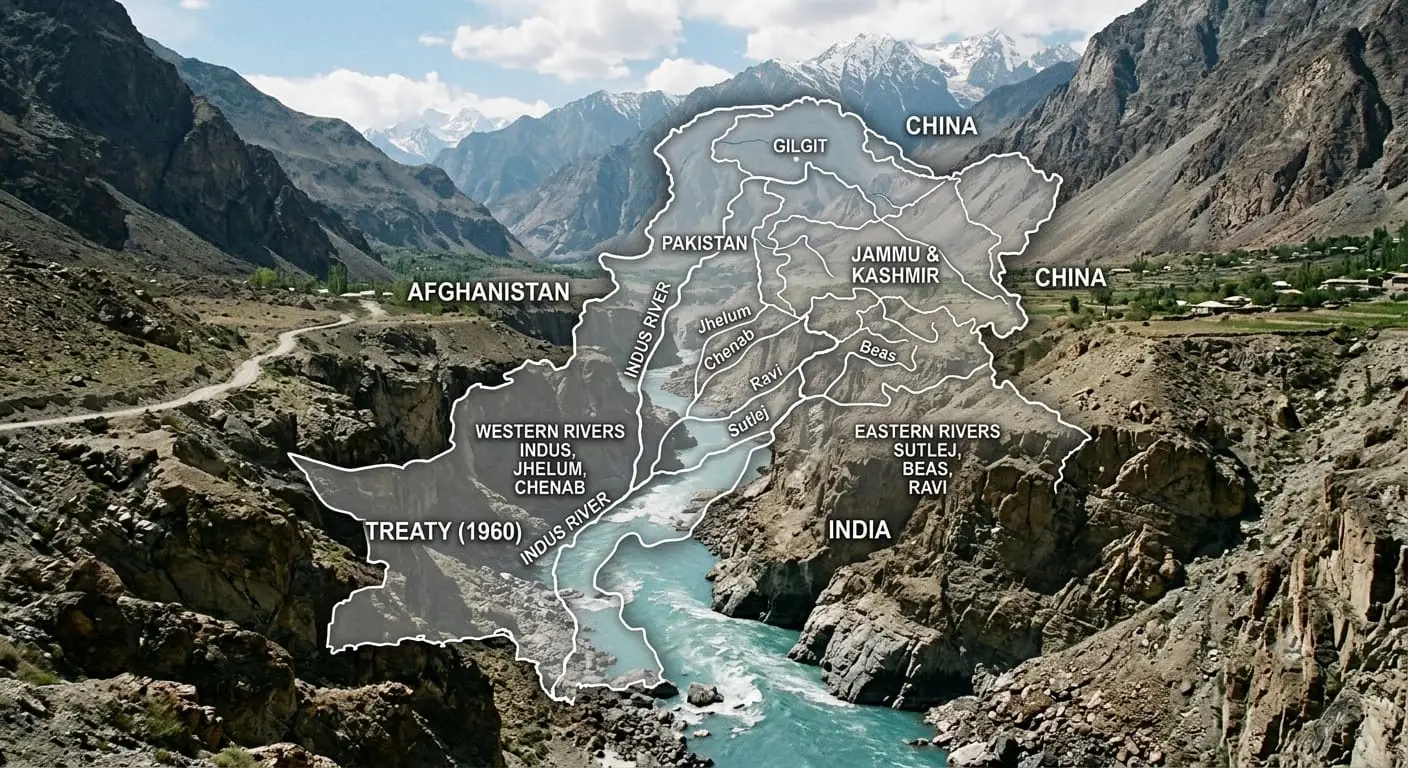
For decades, the Indus Waters Treaty (IWT) has been celebrated globally as one of the world’s most successful international water-sharing agreements. It survived wars, military stand-offs, and prolonged hostility between India and Pakistan. Yet one fundamental question has rarely been examined honestly: what actually kept the Treaty alive for over six decades?

Who Owns Kashmir's Story?
Irfana Shafi
The answer was once straightforward. Governments issued official statements, newspapers interpreted events and diplomats framed international opinion. That order has quietly collapsed. Today, a student with a Smartphone, an influencer in another continent, a Diaspora activist, an anonymous social media account or an artificial intelligence system can shape global perceptions of Kashmir before any government has issued its first statement.
The Other Kashmir
Sohail Bhat
Every conflict has two histories. One is recorded in military maps, diplomatic exchanges and official communiqués. The other unfolds in the everyday lives of ordinary people, where politics is experienced through schools, hospitals, employment, courts and the responsiveness of public institutions.
The Invisible Border
Bashir Assad
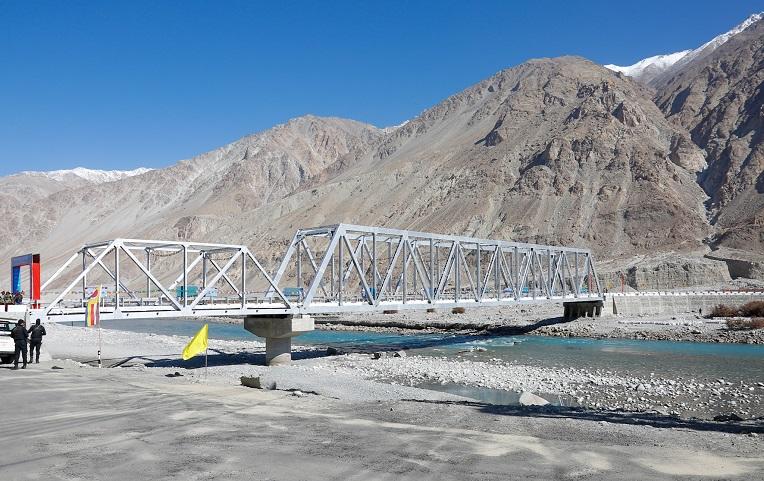
How the Line of Control Is Being Redefined by Infrastructure, Technology and Economics
The Protest That Won’t Go Away
Rafi Ahmad Mir
Pakistan-administered Kashmir and the limits of political management
WHO OWNS KASHMIR’S WATER?
Sohail Bhat
The rivers of Kashmir have always been more than scenery. They have carried people, shaped settlements, fed fields, powered machines and remained at the centre of one of South Asia’s enduring conflicts. As the old arrangements around water enter uncertain territory, a more immediate question is emerging inside Kashmir itself: who benefits from the water that flows through it?