culture
Economics of Jobless Growth in India
By Dr Mehraj Ud din Shah | Tue Sep 08 2026
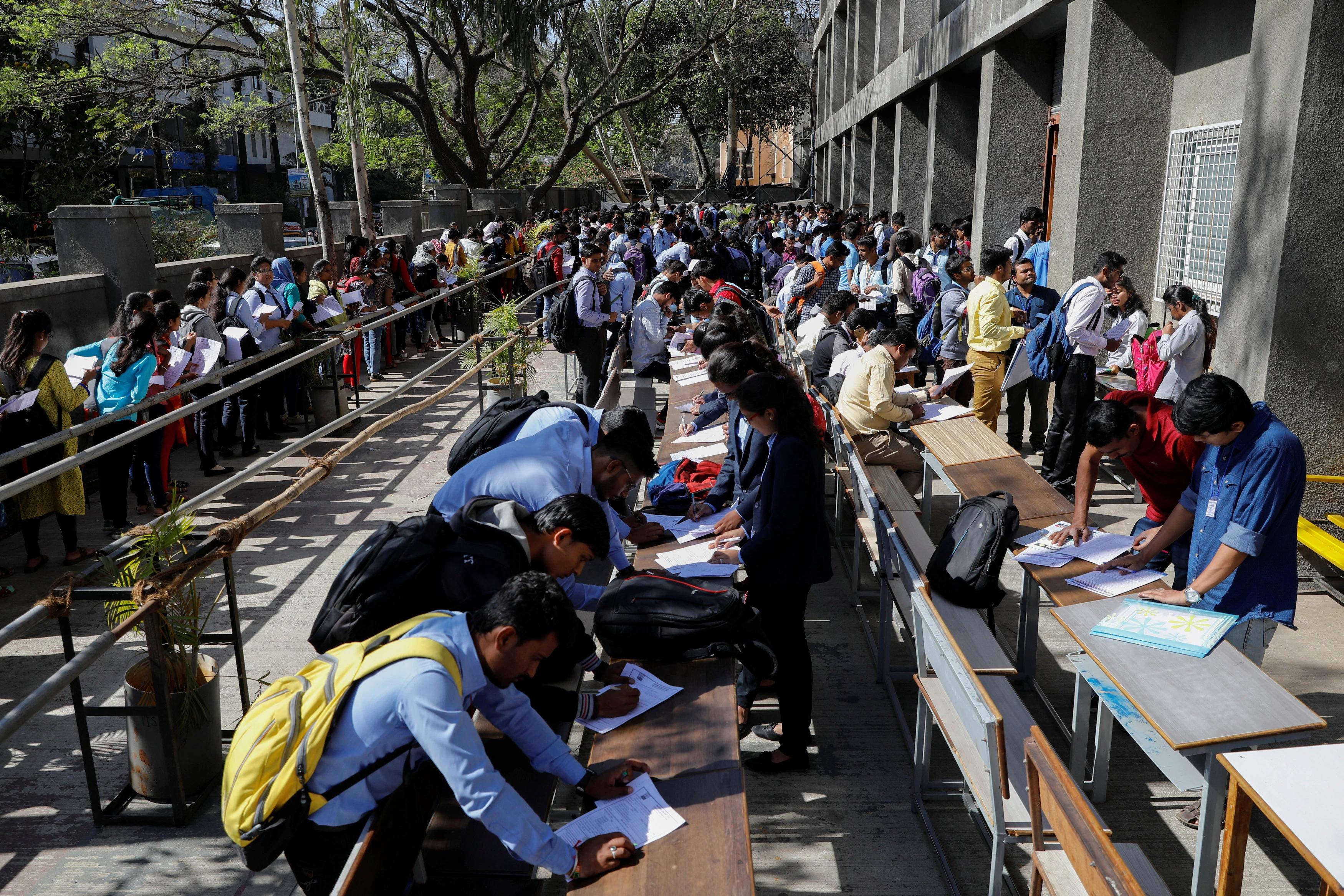
“India's economic growth has been impressive, but growth alone is insufficient if it fails to create productive employment. The persistence of youth unemployment, informal work, and skill deficiencies indicates that the country's growth model has become less employment-intensive. To fully realize its demographic dividend, India must shift from GDP-led growth to employment-led and productivity-enhancing growth”.
India is seen as a star economy in the world. It is the fastest-growing economy set to touch $ 5 trillion by 2030. The GDP growth of the country is pegged at around 6% to 7% over the decade. Nevertheless, India at present is in a peculiar economic condition. The country is facing a grave economic challenge of jobless growth. Satisfactory GDP growth is marginally increasing employment opportunities. Consequently, the gap between job demands and supply is widening. Although the overall unemployment rate in the country is not more than 3.1% in 2025. However, the youth unemployment rates are significantly higher, 10.2% in 2023-24, hinting at a complex matrix of joblessness among the youth. The joblessness among the youth is overwhelming in the age group of 15-29 years and indicates that precious and productive resources remain unutilized and untapped. This situation appears more complicated when data show that urban unemployment is 14.7% compared to rural unemployment at 8%. Understandably, it is not an exclusive problem of unemployment. It is much more than this. It is underemployment, informal employment, low productivity jobs, educated unemployment, skill mismatch, and declining labour intensity of production. The existing research indicates that employment elasticity has fallen considerably since the economic reforms of the 1990s, indicating that each percentage point of GDP growth now creates fewer jobs than before.
While looking at the sectoral contribution to GDP and employment generation, agriculture is still a dominant sector in India and marshals other sectors in terms of employment generation. However, it lags significantly behind in GDP growth. The sector has 45% and 16% share in employment generation and GDP growth, respectively, in 2026. This imbalance reflects extremely low labour productivity, mainly driven by disguised unemployment, fragmented landholdings, seasonal employment, and low wages. The scenario demands a reorientation of agriculture-centric policy discourse, pushing cultivation of innovative research-driven high-yield crops, inducing advanced Agri-tech operations, mechanisms in the farm sector, and other supporting infrastructure in the sector.
Nonetheless, for more than a decade, the manufacturing sector has been sluggish and contributes not more than 18% to the GDP growth of the country in 2026. This sector is also significantly behind in the employment generation when compared to the agriculture sector. It contributes not more than 8% employment opportunities, despite the increased industrial output. Understandably, the manufacturing sector is largely absorbing labour, that is leaving agriculture. However, industries like textiles, leather, footwear, food processing, and construction contribute overwhelmingly both to the GDP growth and employment generation. Factually, the added automation of the production process reduced labour demand despite increased industrial output. These scenarios are visible across many nations, where the new technology has significantly replaced the labour-driven business models, pushed retrenchment of labour, and halted the growth of employment. The labour-intensive industry in India would have been on a different pedestal, had the plausible measure been pushed for execution on opportune time. Moreover, India has not replicated the labour-intensive manufacturing success seen in East Asian economies, such as China, where labour-intensive industries significantly contribute to employment generation and GDP growth. Over the last decade or so, many labour-intensive industries such as textiles, garments, footwear, toys, furniture, and consumer electronics assembly have grown rapidly because of an abundant workforce, good infrastructure, and export-oriented policies.
Whereas the service sector, being a dominant sector, significantly contributes both to GDP growth (55%) and employment generation (30%). Industries like Information Technology (IT), Banking, and Telecommunications enjoy the distinction as catalysts of GDP growth, but seldom generate desirable employment. While the industries include hospitality and tourism, transport, and delivery platforms largely generate large, low-wage jobs, they also contribute to the GDP of the country.
Globally, the jobless growth is seen as a major socio- economic concern. GDP growth is largely technology-driven, and Productivity rises through automation and added technology infusion. The firms produce more output with fewer workers, capital-intensive industries dominate investment, and labour-intensive manufacturing expands slowly. The picture of overstaffing and overcrowding of workplaces is getting overwhelmingly reversed with requisite manpower needs, outsourcing staff engagements, etc. In the Asian continent, along with India, Pakistan, Nepal, Philippines, and Bangladesh are in this trap. In Pakistan, jobless growth is mainly due to low investment, weak industrialization, energy, and infrastructure constraints. In Nepal, Growth has not created enough domestic employment, leading many workers—especially young people—to seek jobs abroad. In the Philippines, the GDP growth is good; however, the industry is not able to create jobs due to skill mismatch. While in Bangladesh, GDP growth is strong, employment generation is weak. The focus of manufacturing is only on garments, private investment is weak, and automation is increasing. Similarly, in the European Union (EU), countries like Denmark, Germany, Finland, Poland, the UK, etc have a whopping unemployment rate due to automation growth. The EU has generally experienced moderate jobless growth, especially after the 2008 financial crisis. Productivity gains and automation reduced demand for low-skilled labour, while employment shifted toward high-skilled services, healthcare, information technology, and knowledge-based sectors. Labour market reforms have helped some countries in the EU to reduce unemployment. The countries like China, the USA, and Japan are no way better on this front. China has experienced increasing jobless growth as it transitions from labour-intensive manufacturing to automation and high-tech industries. Rising wages, industrial upgrading, and robotics have reduced employment growth in manufacturing. The services sector has absorbed many workers, but employment growth has slowed relative to economic growth. The USA is one of the classic examples of jobless growth. GDP has often grown strongly, but manufacturing employment has declined because of automation and outsourcing. Most new jobs have been created in services, technology, healthcare, and professional sectors, while middle-skill manufacturing jobs have decreased. While Japan's experience differs because of its ageing and shrinking population. Although automation is widespread, labour shortages rather than unemployment are a major concern. Employment levels remain relatively high, but productivity growth is driven by robotics and technology instead of workforce expansion.
The economic fallout of the jobless growth includes reduced consumer demand, low savings, low investment, social unrest, migration, rising income inequality, and wasted demographic dividends. This economic fallout can be reversed by nations, especially India, by developing human resources with skills that meet the needs of industry. The major skills that its human resources should hone include Artificial Intelligence, Data Analytics, Robotics, Machine Learning, Advanced Manufacturing, Electronics, Green technologies, in addition to many other technical skills in the domains of electronics and telecommunication, automobile, civil, and mechanical job-related skills. These skills must be mapped with the regular curricula of academics, right from the secondary level, to align education and employability. Although the government of India took several initiatives like Make in India, Skill India Mission, Pradhan Mantri Kaushal Vikas Yojana (PMKVY), Startup India, Digital India, Production Linked Incentive (PLI), National Manufacturing Mission and MGNREGA (rural employment) to address skills and employment. Nevertheless, these initiatives have expanded training and investment, but stronger links between skilling, industry demand, and quality employment remain a major challenge.
*The author is the Head, Department of Commerce, Central University of Kashmir, Ganderbal
Related Articles
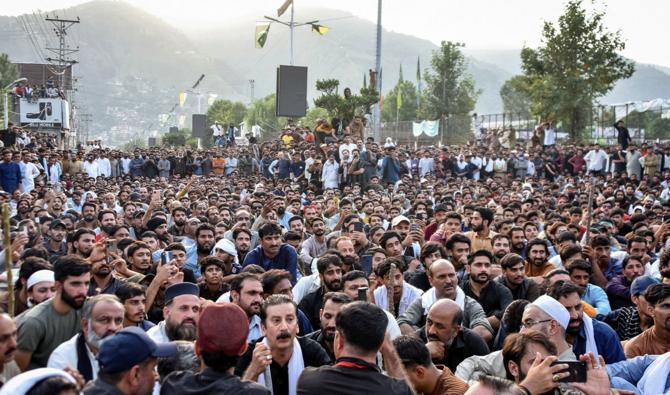
The Protest That Won’t Go Away
Rafi Ahmad Mir
Pakistan-administered Kashmir and the limits of political management
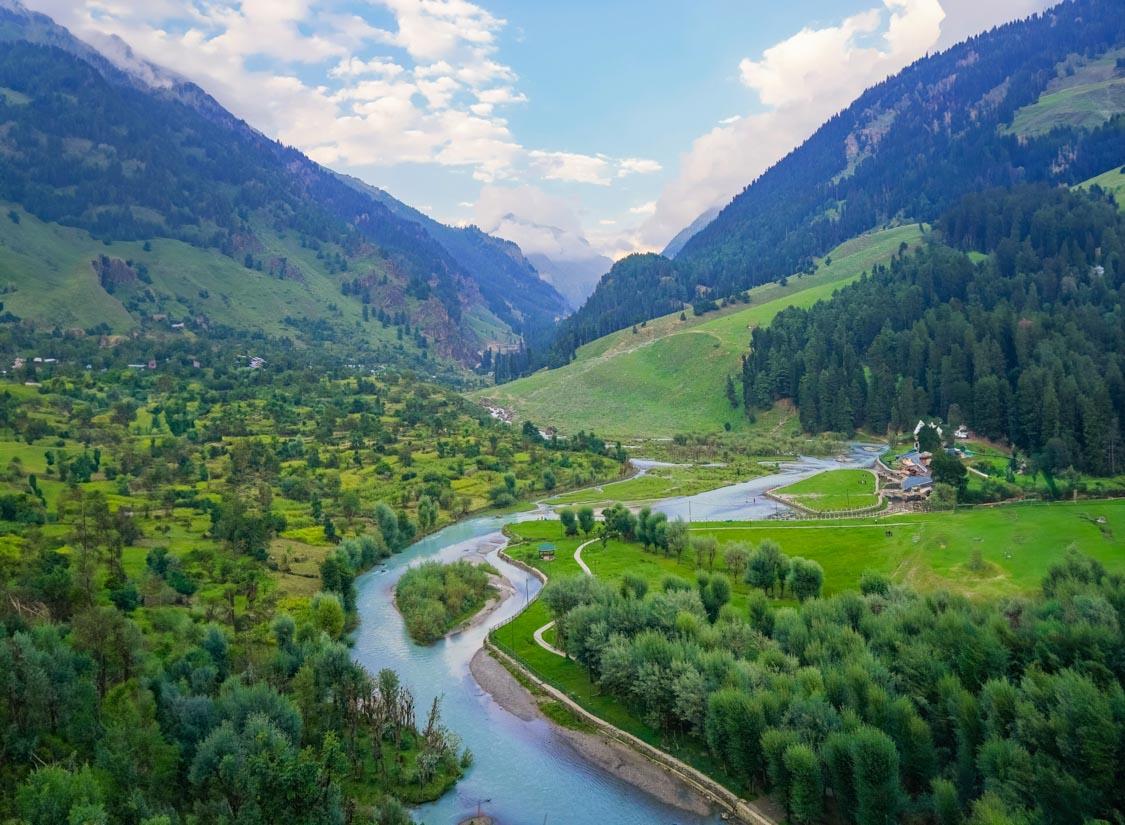
WHO OWNS KASHMIR’S WATER?
Sohail Bhat
The rivers of Kashmir have always been more than scenery. They have carried people, shaped settlements, fed fields, powered machines and remained at the centre of one of South Asia’s enduring conflicts. As the old arrangements around water enter uncertain territory, a more immediate question is emerging inside Kashmir itself: who benefits from the water that flows through it?
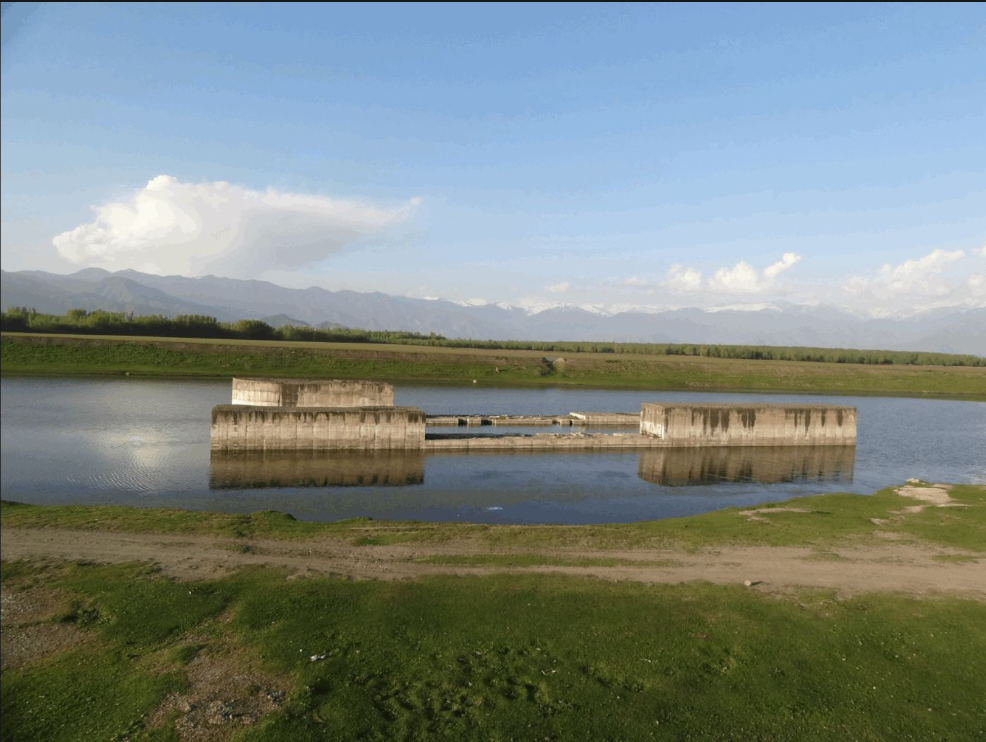
TULBUL NAVIGATION PROJECT: Four Decades of Deadlock and Kashmir’s Stunted Water Economy
Pradeep Kumar Saxena
A partially built structure at the outlet of Wular Lake in north Kashmir has stood frozen since 1987, which is a mute testimony to the decades of restraint India exercised in the name of goodwill and friendship vis-a-vis Pak. The Tulbul Navigation Project, a modest navigation lock on the Jhelum at the lake’s outfall, was suspended when India halted construction in good faith following Pakistan’s objection.
Is the Calm Holding
Bashir Assad
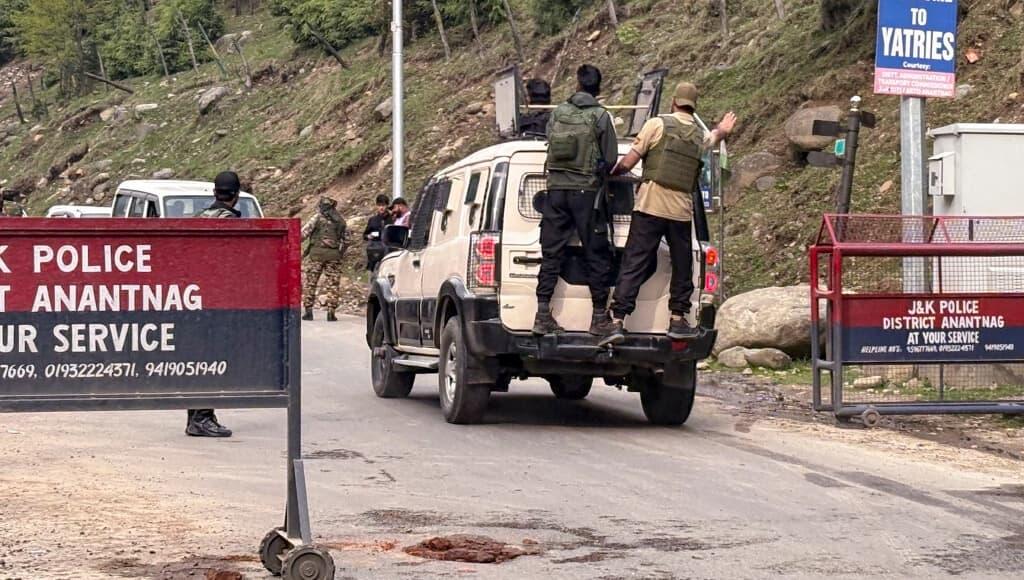
Kashmir after Anantnag and Kulgam For much of the period following the Pahalgam attack, the most striking feature of Kashmir's security landscape was the relative absence of major attacks. That did not mean the threat had gone away. The Valley remained heavily guarded, intelligence operations continued and security agencies maintained a close watch over areas that had, at different points, been active theatres of militancy.

Who Owns Kashmir's Story?
Irfana Shafi
The answer was once straightforward. Governments issued official statements, newspapers interpreted events and diplomats framed international opinion. That order has quietly collapsed. Today, a student with a Smartphone, an influencer in another continent, a Diaspora activist, an anonymous social media account or an artificial intelligence system can shape global perceptions of Kashmir before any government has issued its first statement.
Shri Amarnath Ji Yatra: Where Faith Meets the Spirit of India
Mohammad Zaid Malik
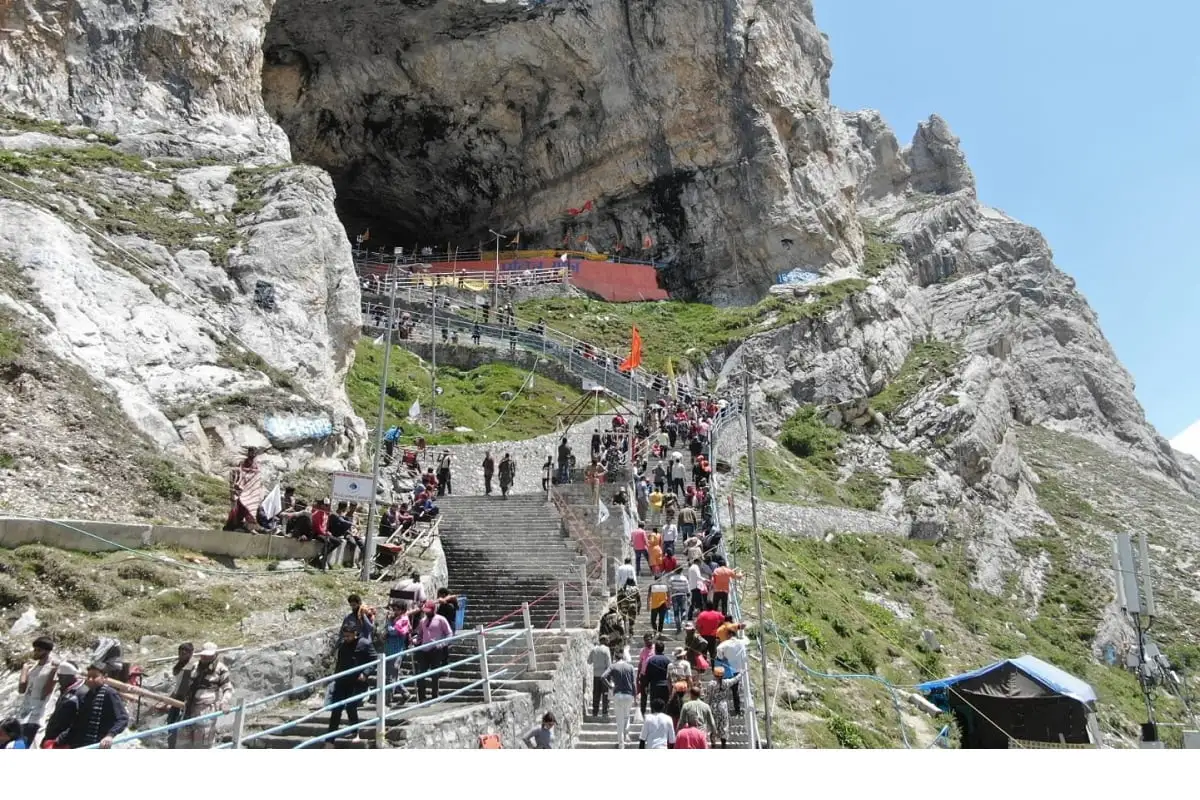
Every summer, as the Himalayan winter loosens its grip and the snow begins to retreat from the high-altitude passes of Kashmir, a remarkable human movement begins to unfold. It is not driven by trade, tourism, or migration. It is driven by faith.