culture
THE COACHING CAPITAL
By Mian Tufail | Fri Apr 03 2026
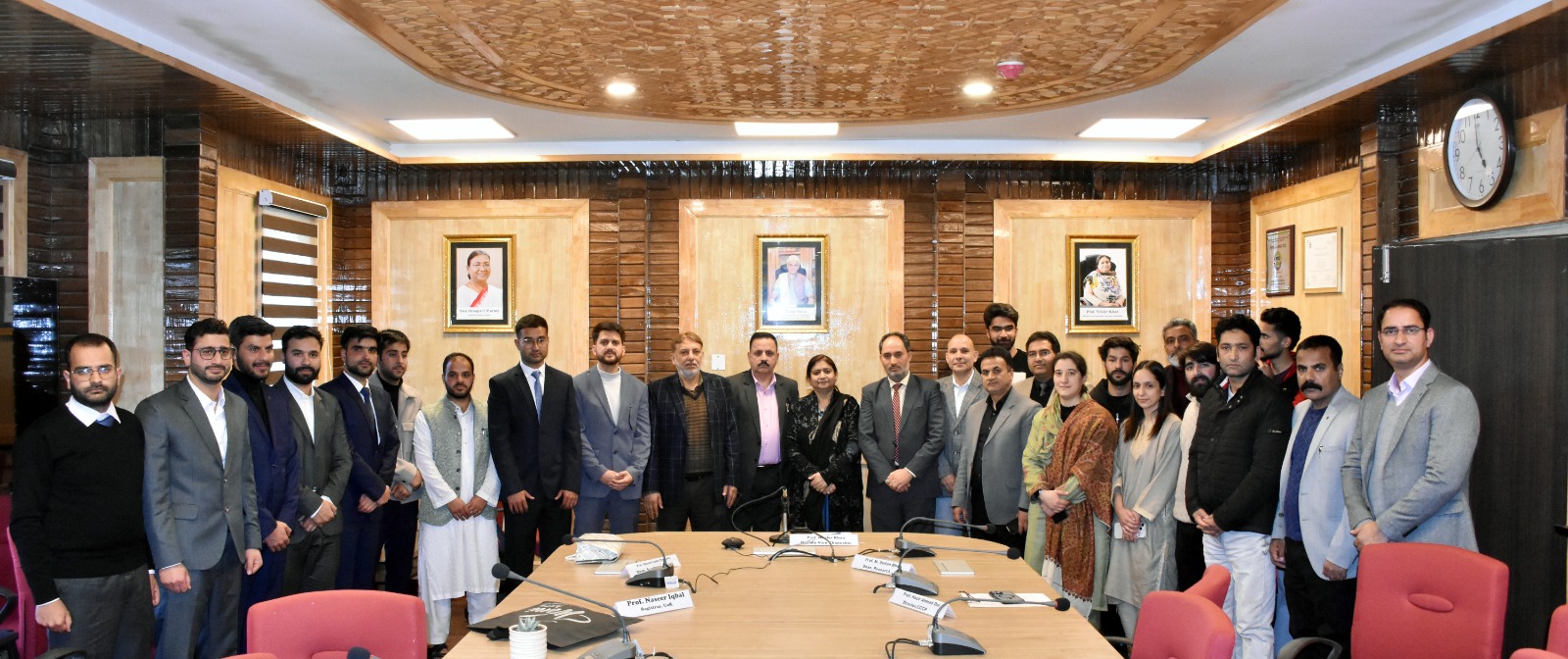
On winter mornings in Srinagar before the markets awaken and traffic gathers around the city centre, the narrow staircases above coaching centres, bookstores and stationery shops are already crowded. Young men and women climb these steps with backpacks, full of notebooks and borrowed hope. Inside the classrooms, whiteboards and digital boards glow with constitutional articles, economic indicators, current affairs, history and the language of governance. Outside tea stalls, photocopy vendors and small rented study rooms quietly sustain an economy that runs on ambition and expectation.
The rapid rise of coaching institutes across Jammu and Kashmir tells a deeper story about aspiration, opportunity and uncertainty. For thousands of young aspirants, competitive examinations represent the promise of security, even as the growing coaching culture reveals the pressures and limitations shaping the region’s job landscape.
Over the past decade Srinagar and increasingly Jammu has transformed into something rarely acknowledged in national conversation - a coaching capital. Civil services academies, JKPSC and JKSSB institutes, SSC coaching centres, banking preparation hubs, NEET and JEE classrooms have multiplied across neighbourhoods. Entire buildings now function solely as preparation spaces. Parents speak in the language of attempts and cut offs. Families follow notification calendars with the same attention that farmers once gave to snowfall and harvest cycles.
In Jammu and Kashmir, the government job has long represented stability in a landscape that has often felt uncertain. A government position promises predictable income, social respect, gratuity security and a sense of permanence. In a region where large private industry remains limited and economic volatility has shaped everyday life, public service is not merely employment. For many families it is reassurance.
For thousands of young people, the path toward that reassurance runs through examinations conducted by institutions such as the Union Public Service Commission, the Jammu and Kashmir Public Service Commission and the Jammu and Kashmir Service Selection Board. Preparation for these examinations is rarely a short phase. It often becomes a defining chapter of early adulthood. Years are dedicated to studying subjects that range from history and constitutional law to economics governance and ethics. Aspirants structure their lives around preliminary examinations, main examinations, interviews and the distant possibility of selection.
The odds however remain unforgiving. Across India, less than one percent of candidates appearing for the civil services examination ultimately secure final appointment. State level examinations also attract tens of thousands of applicants for only a limited number of vacancies. Despite this reality coaching centres continue to expand exponentially, test series multiply and new batches of aspirants enrol each year.
Why then does this aspiration remain so concentrated? Part of the answer lies in the structural realities of the economy. The private sector in Jammu and Kashmir while slowly evolving has not grown at a pace that can absorb the rapidly expanding educated population. Industrial corridors remain limited. Corporate headquarters are few. Tourism and agriculture remain vital pillars of the economy, yet both sectors are seasonal and vulnerable to wider disruptions. For many graduates competitive examinations appear to be the only clearly defined and socially validated pathway toward upward mobility.
Talking to Kashmir Central, Muneera, a female aspirant from Baramulla currently residing in a rented room in Srinagar, remarked, “As the private sector is almost non-existent in Kashmir and thousands of graduates and postgraduates pass out every year, it becomes extremely difficult to find opportunities there. Many of us dedicate years preparing for examinations conducted by JKSSB or JKPSC to secure our future and gain employment. The competition is massive and opportunities are limited but we have little choice except to tread this path.”
There is also the powerful force of social expectation. In countless households preparation for civil services is not treated as an experiment but as a responsibility. Families invest savings, delay expenditures and rearrange priorities to support a son or daughter pursuing this path. Success stories are celebrated widely across communities reinforcing the belief that perseverance will eventually be rewarded.
The prestige attached to these examinations becomes visible every time results are declared. Recently sixteen candidates from Jammu and Kashmir qualified the prestigious Indian Administrative Services examination. Social media across the region remained abuzz with their success stories. Congratulatory messages poured in from every corner as families, relatives, teachers and friends celebrated the achievement. In many cases representatives of major political parties personally visited the homes of successful candidates to congratulate them. Such gestures further elevate the status attached to these examinations and reinforce the belief among young aspirants that clearing them represents one of the highest forms of social recognition. Yet beneath this architecture of aspiration lies a cost that is rarely calculated.
Financially, preparation can become an expensive undertaking. Coaching fees, accommodation, study materials, mock tests and years spent without stable income slowly accumulate into significant burdens. Middle class families often stretch their resources to support aspiring candidates. Some take loans. Others postpone important family expenses.
The psychological cost can be even heavier. Months sometimes years of preparation hinge on a single examination day. Failure is common and attempts are limited. Social comparison is relentless particularly in an age of social media where rank lists circulate instantly and success stories travel quickly across communities.
In study halls, overlooking the bustling markets and congested traffic on vital roads, students memorize constitutional amendments and policy frameworks while quietly confronting anxiety self doubt and the fear of disappointing those who have placed their faith in them.
Mental health professionals in the region increasingly report cases of stress related disorders among long term aspirants. Sleeplessness, persistent anxiety and depressive symptoms often remain hidden behind disciplined routines and stacks of highlighted notes. Seeking counselling still carries stigma and admitting exhaustion is often perceived as a sign of weakness.
Years can pass in what many aspirants describe as suspended time. Graduates delay alternative careers reluctant to divert focus away from examination preparation. Private sector job offers are sometimes declined for fear that employment might dilute concentration. The culture of one more attempt stretches preparation into prolonged uncertainty.
Identity gradually becomes intertwined with aspiration. To be an aspirant is to imagine oneself as a future officer even when that future remains uncertain.
Abid, an aspirant studying from last four years for the JKPSC Combined Competitive Examination talking to KC said, “Competitive exams in J&K drain aspirants mentally and financially. We put every resource in the exams and the outcome is uncertain.”
Ironically, the preparation culture itself has created a thriving micro economy. Coaching institutes employ faculty administrators, digital marketers and content creators. Guest lectures by former bureaucrats attract packed halls. Online platforms offering examination strategies attract thousands of followers. Photocopy shops remain open late into the evening as students duplicate notes and test papers.
A small economic ecosystem now survives on disciplined hope. Yet the system rests on scarcity. The number of aspirants grows each year while the number of available posts remains limited. The greater the competition the larger the preparation industry becomes. In this sense the coaching capital represents a paradox an economy sustained by structural bottlenecks.
This reality raises important governance questions. Can the public sector realistically absorb the region expanding population of educated youth? Are recruitment cycles timely predictable and transparent? Delays in examination notifications or result declarations often deepen frustration among aspirants who have already invested years in preparation. When examinations are postponed or entangled in litigation uncertainty spreads quickly through the aspirant community.
If aspiration is encouraged administrative efficiency must keep pace with it. There is also the larger economic question of diversification. When a significant portion of youth channels its intellectual energy toward a single occupational path, innovation in other sectors may suffer. Entrepreneurship requires risk taking imagination and experimentation. Competitive examinations reward discipline memorisation and adherence to structured syllabi. When one form of ambition dominates, others often fade quietly into the background.
A society dominant aspiration inevitably shapes its economic character. The story unfolding in these classrooms is not one of despair. There is resilience and intellectual engagement within this environment. Aspirants debate constitutional morality, economic policy, international relations and governance reforms with remarkable seriousness. Many develop a deep awareness of national and global affairs.
An encouraging transformation is also visible in the presence of young women who now occupy front rows in coaching classrooms. Families that once hesitated now support daughters pursuing civil services careers. For many women the administrative services represent not only employment but also leadership visibility and empowerment.
Even so reliance on a single definition of success narrows the field of imagination. Entrepreneurship, skilled trades, digital services, creative industries and emerging technology sectors still receive less attention in public discourse. Career counselling structures remain limited and institutional support for alternative career pathways is only gradually developing.
The result is a widening imbalance. There is an oversupply of aspirants for a limited number of government posts and an undersupply of institutional encouragement for diversified professional growth.
Perhaps the most urgent dimension of the coaching capital phenomenon is its silent mental health burden. Long preparation cycles, intense competition and prolonged uncertainty can create psychological strain that remains largely unaddressed. Structured counselling services, stress management programs and peer support initiatives within coaching environments could help reduce this silent suffering.
Ignoring this dimension would mean ignoring the human cost of concentrated ambition. The coaching capital ultimately acts as a mirror reflecting the hopes anxieties and economic realities of a generation. It reflects faith in institutional pathways and belief in merit based advancement. At the same time, it reveals structural limitations, limited industrial expansion and societal pressure.
Late into the night, inside classrooms near the Jhelum River thousands of young people underline passages from the Constitution and governance manuals. They are studying how the machinery of the state functions.
Perhaps it is time for the state and society to study their aspirations with equal seriousness and to ensure that those aspirations are given space to expand rather than narrow.
Public service will always remain honourable and essential. The region requires capable administrators, teachers, officers and policymakers. Yet, no society thrives when opportunity narrows into a single corridor.
As Jammu and Kashmir continues to chart its economic future the real question is not whether young people should prepare for competitive examinations. The deeper question is whether competitive examinations should remain their only widely visible path toward dignity and stability.
Tomorrow morning the staircases will once again be crowded. Notebooks will open, lectures will begin and hope will gather under fluorescent lights. The real challenge, however, is ensuring that hope is not confined to a single examination hall but is given many doorways through which it can grow and flourish.
Related Articles
BADAMWARI IN BLOOM
Sohail Bashir
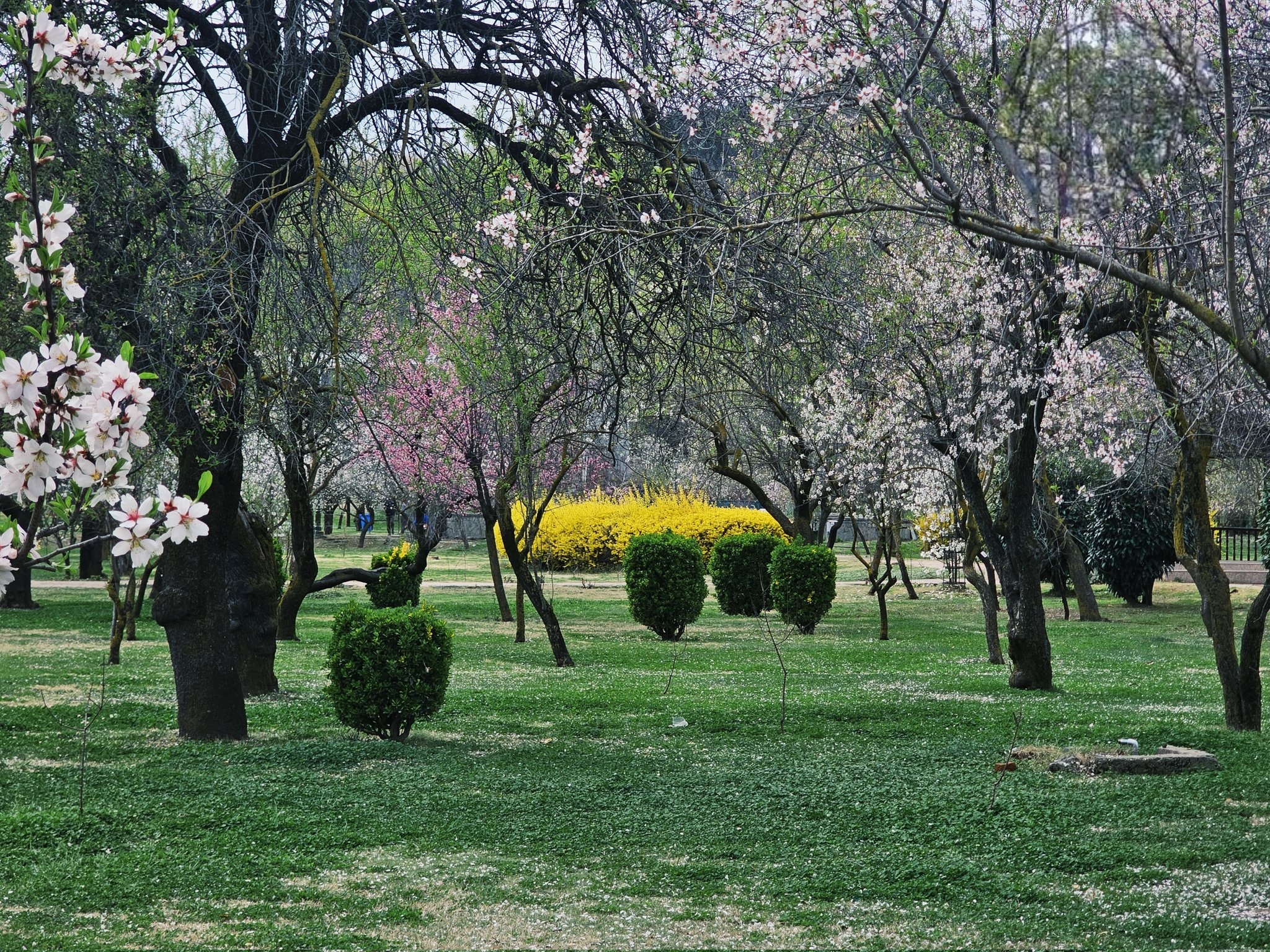
There is a moment in Kashmir that cannot be marked on a calendar. It arrives quietly, almost gently, when the bare branches of almond trees in Srinagar’s old city soften into pale pink and white and the long winter finally begins to loosen its hold. That moment lives in Badamwari.
WHEN FAITH BECOMES PERFORMANCE
Mohammad Zaid Malik
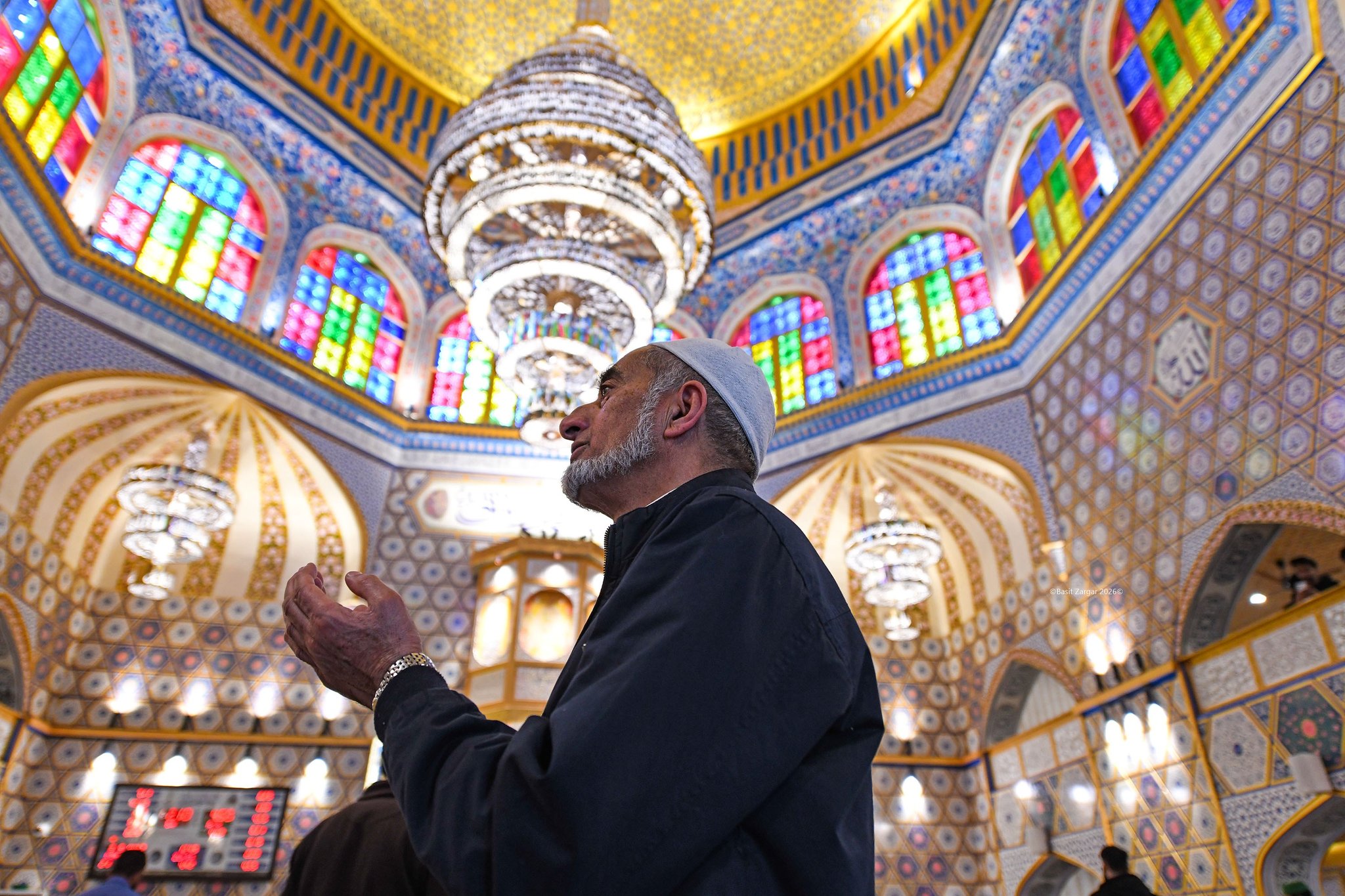
Mosques (Masaajid) have always occupied a sacred and central place in Islamic civilization. From the earliest days of Islam, they served not merely as spaces for prayer but as the living heart of Muslim society. The first mosque established in Islamic history, Masjid-e-Quba and later the Prophet’s Mosque in Madinah, were vibrant centres where faith intertwined with education, governance, social welfare and intellectual exchange.
THE POLITICS OF NORMALCY
Yawar Yousef
On a quiet evening, along the banks of the Jhelum river, the rhythm of life in Srinagar appears almost ordinary. Shops close at their usual hour. Families walk along the boulevard. Traffic moves through the intersections around Lal Chowk with the familiar impatience of any bustling city.
THE PAUSE IN JAMMU & KASHMIR’S DEMOCRATIC EXPERIMENT
Waseem Assad
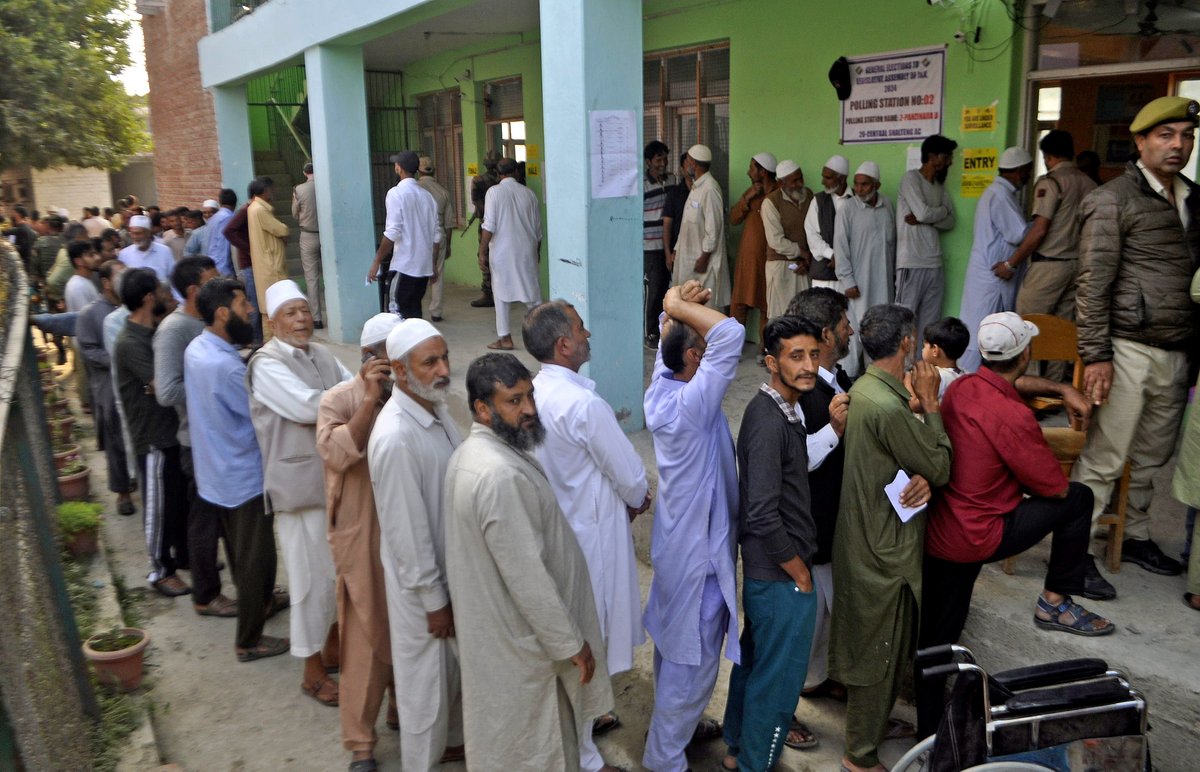
As the term of Jammu and Kashmir’s District Development Councils quietly came to an end last month, the moment passed without spectacle but not without consequence. For the first time in recent years, the Jammu & Kashmir stands bereft of its entire three-tier Panchayati Raj structure.
GUREZ FROM ISOLATION TO INSPIRATION
Mareaya Fayaz
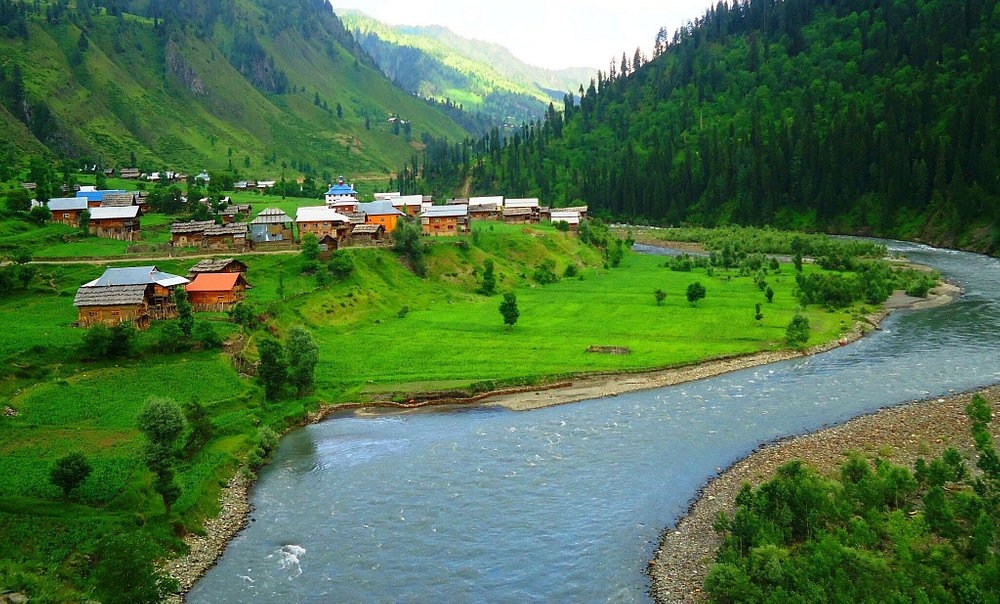
In the high mountains of North Kashmir, where winter once dictated silence and separation, the sound of machines cutting through walls of snow now carries a different meaning. It signals return of roads, of movement, of life itself.
WEST ASIA’S WAR AND A QUIET REASSESSMENT OF PAKISTAN IN KASHMIR
Bashir Assad
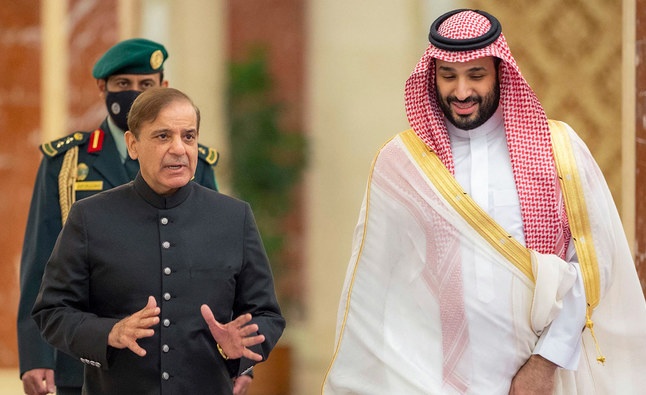
The ongoing war involving Iran, Israel and the United States has stirred strong reactions across large parts of the Muslim world. From North Africa to South Asia, demonstrations, online campaigns and intense political discussions have emerged as communities react emotionally to the conflict and its wider implications.