The Concrete Trap
Thu Nov 05 2026
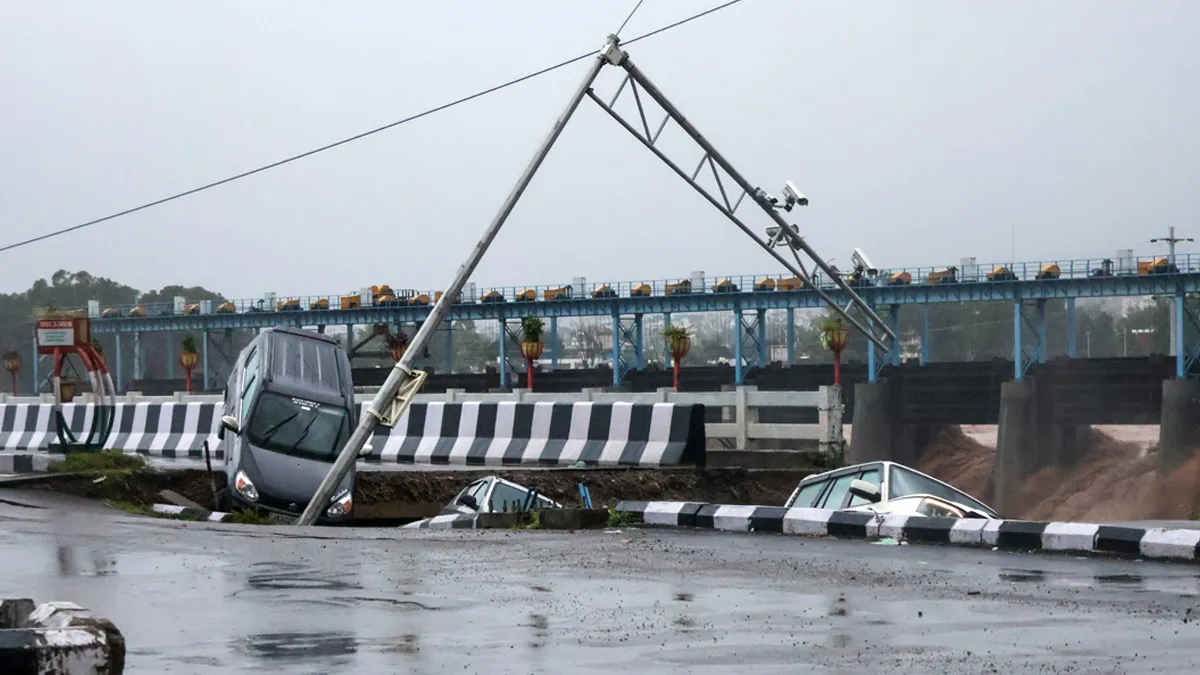
The devastating downpours that routinely submerge large parts of Jammu are no longer anomalies of nature; they are the predictable results of urban hubris. When standard late-season rainfalls transform the winter capital’s primary commercial corridors and residential colonies into impassable torrents of mud and debris, the crisis cannot be dismissed as an unavoidable natural disaster. Instead, it must be recognized as an engineering indictment. The persistent inundation reveals the profound structural failures of a much-hyped urban modernization blueprint that has consistently prioritized cosmetic beautification over genuine climate resilience.
At the core of Jammu’s vulnerability is a flagrant disregard for the city’s natural topography. For generations, an intricate network of natural khads and nallahs served as vital ecological safety valves, safely channeling peak monsoon waters down toward the Tawi River. Today, through an unholy alliance of weak zoning enforcement and unchecked real estate speculation, these natural drainage arteries have been systematically choked. Concrete embankments, illegal housing colonies, and commercial foundations have drastically narrowed these channels. When extreme weather strikes, the volume of water remains unchanged, but the space available to contain it has vanished, forcing the excess directly into public streets and private living rooms.
This ecological destruction has been compounded by the design failures of the Smart City Mission's infrastructure upgrades. The project’s signature side drains—built shallow, flat, and completely covered by permanent concrete slabs—have proven to be a major civic bottleneck. Lacking proper slope gradients, they cause rapid water stagnation during brief downpours. Furthermore, their closed design makes routine desilting and clearing of plastic debris a logistical nightmare.
Compounding this structural failure is a deep institutional vacuum. The fragmentation of municipal authority across overlapping government bodies ensures that long-term city planning remains deeply disjointed. Roads are routinely carpeted by one agency only to be dug up weeks later by another, leaving loose soil to wash into and clog the main municipal lines right before heavy rains arrive.
The lesson of these recurring flash floods is urgent and non-negotiable. True urban modernization cannot be achieved by merely laying down neat pavements and uniform slabs on paper. If the administration wishes to protect the winter capital from systemic paralysis, it must move past performative metrics. It must strictly clear illegal encroachments along natural waterways, design drains based on modern weather realities, and unify its civic departments under a single, accountable urban authority. Until the city's development frameworks respect the natural ecology of the land, Jammu will remain trapped in a cycle where substantial investments fail to translate into meaningful public safety.